
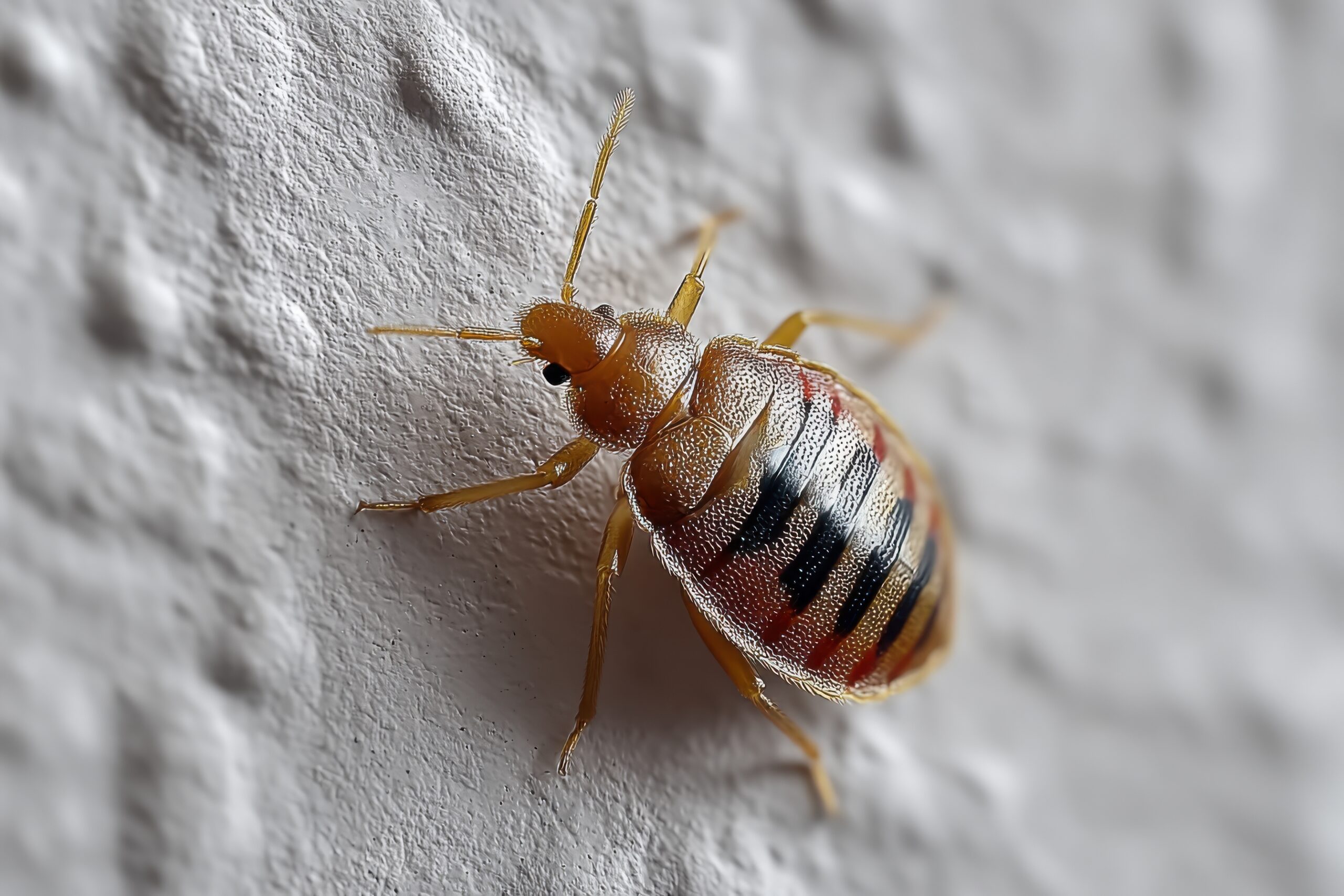
Bed bugs are among the most persistent indoor pests because they are small, secretive, and able to spread through furniture, luggage, clothing, and adjoining spaces. A few visible insects may represent only part of a larger infestation hidden around beds, walls, flooring, and upholstered items.
Successful bed bug control depends on more than killing the bugs that can be seen. Inspection, correct identification, targeted treatment, preparation, and follow-up all matter because surviving insects or eggs can restart activity after an incomplete treatment.

Bed Bugs Hide In Extremely Small Spaces
Bed bugs are built to stay out of sight. Their flattened bodies allow them to fit into narrow cracks and protected areas close to where people sleep or rest.
Common hiding locations include:
- Mattress seams, piping, and labels
- Box springs and bed-frame joints
- Headboards, nightstands, and nearby furniture
- Baseboards and cracks along wall edges
- Upholstered chairs and sofas
- Gaps around flooring, trim, and shared walls
These hiding places make quick visual checks unreliable. A room may appear clear while insects remain tucked behind furniture or inside small structural gaps.
Summer travel can add another layer of risk. New York’s warmer months often bring more movement between homes, hotels, gatherings, and outdoor activities, which is why understanding seasonal pest activity can help explain how bed bugs and other pests become more noticeable during summer.
Eggs And Life Stages Complicate Treatment
An infestation can contain eggs, immature nymphs, and adults at the same time. That matters because different life stages may respond differently depending on where they are hiding and which treatment method is used.
Bed bug eggs are especially easy to overlook. They are small, often attached to protected surfaces, and may remain hidden deep inside furniture joints or cracks. If treatment reaches active bugs but misses eggs or concealed nymphs, new activity can appear later.
This is why one-time treatment is often not enough. Professional bed bug control may involve targeted heat, mattress-safe pesticides, crack-and-crevice applications, and follow-up inspections based on the extent of the infestation. The goal is to address both visible bugs and the hidden stages that keep the population going.
Clutter Creates More Places For Bed Bugs To Hide
Clutter does not cause bed bugs, but it can make an infestation harder to inspect and treat. Stored bags, boxes, clothing piles, and crowded furniture create additional protected spaces where insects can remain unnoticed.
Clutter can interfere with control by:
- Blocking access to baseboards and wall edges
- Creating more seams, folds, and hiding spots
- Making inspections slower and less complete
- Concealing spotting, shed skins, or live bugs
- Allowing infested belongings to move between rooms
- Making targeted treatment harder to apply precisely
The connection between clutter and pests is especially important during warmer months, when homes may see more travel, storage movement, and seasonal pest pressure. Keeping affected areas accessible allows technicians to inspect more thoroughly and target treatment where bed bugs are actually hiding.
Bed Bugs Can Spread Beyond The Original Sleeping Area
Bed bugs often begin near a bed because people remain still there for long periods, but infestations do not always stay confined to the mattress. As populations grow or hiding areas are disturbed, bugs can move into sofas, nearby rooms, wall gaps, or shared structural spaces.
They can also hitchhike on luggage, clothing, backpacks, furniture, and other belongings. In multi-unit buildings, adjoining rooms or units may need attention when activity suggests movement through shared walls or floors.
This spread is one reason repeated surface treatment can be misleading. Killing a few bugs near the bed does not confirm that the rest of the infestation has been reached. Professional inspection helps determine how far activity extends before a treatment plan is chosen.
Full Elimination Requires Inspection, Precision, And Follow-Up
Bed bug control works best as a process rather than a single application. The first step is understanding where bugs are hiding and how widespread the infestation has become.
A complete professional approach may include:
- Inspecting beds, furniture, baseboards, and adjoining areas
- Identifying live bugs, eggs, spotting, and shed skins
- Selecting treatment based on infestation size and location
- Applying products or heat to targeted hiding areas
- Rechecking treated rooms for surviving activity
- Repeating treatment when follow-up shows remaining bugs
Professional oversight matters because bed bugs can survive when even small sections of an infestation are missed. Follow-up inspections help determine whether activity is declining or whether another hidden source remains.
Complete elimination is difficult because bed bugs combine concealment, mobility, and multiple life stages in the same infestation. The most reliable results come from careful inspection, well-targeted treatment, and continued monitoring until there is no evidence that the population remains active.
Put An End To Hidden Bed Bug Activity
If bed bugs keep returning or you suspect they have spread beyond one room, contact United States Pest Service for professional bed bug control focused on inspection, targeted treatment, and careful follow-up until activity is resolved.