
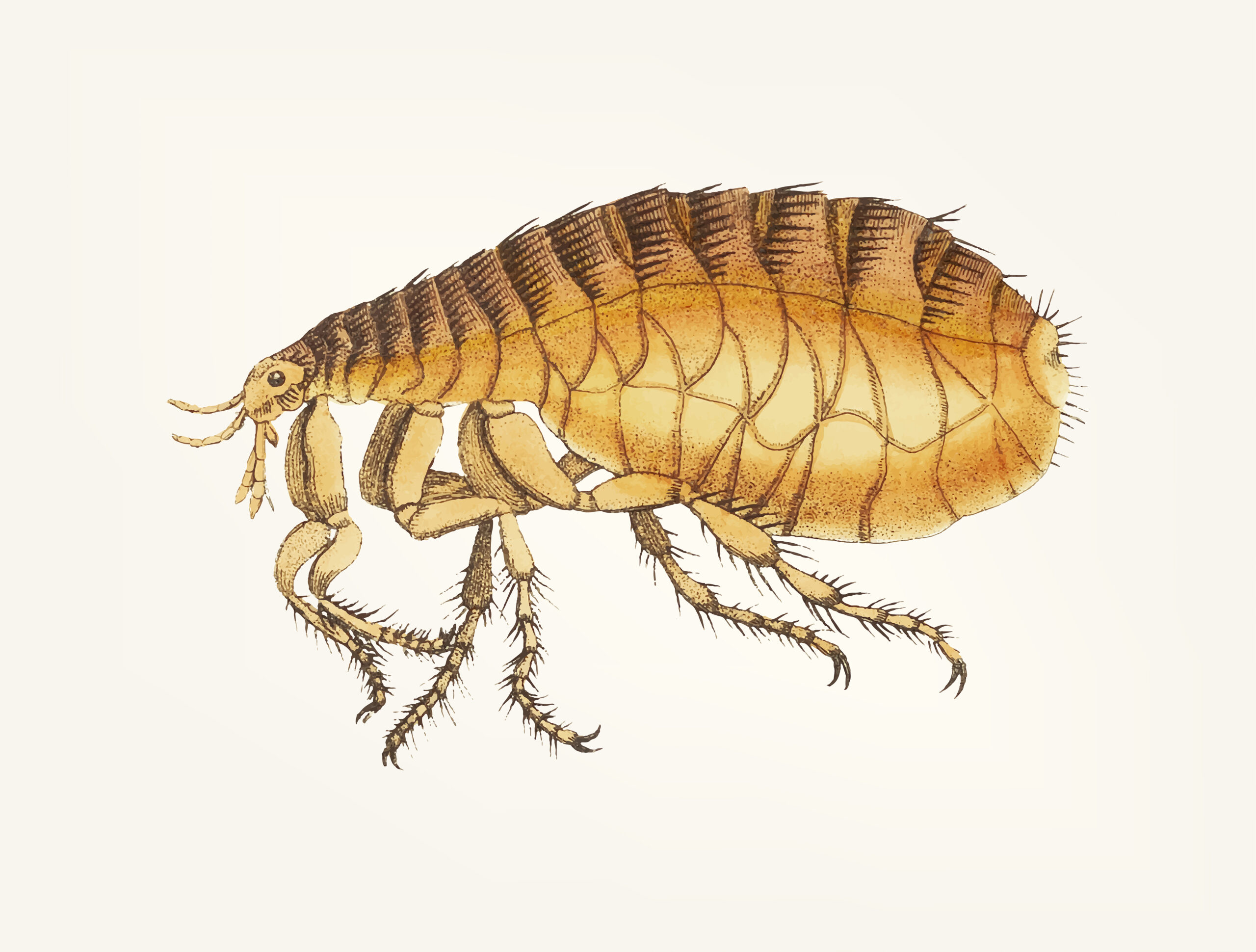
Fleas are among the most persistent household pests, often hiding in places that are easy to overlook. While most people expect to find fleas on pets, the real challenge lies in identifying the less obvious areas of infestation within a home. These hidden hotspots allow fleas to multiply and spread quickly, turning a small problem into a large-scale issue if not addressed properly.
Understanding where fleas thrive is the first step in effective flea control. Their survival depends on warmth, humidity, and hosts for blood meals. Since they are small and agile, fleas easily slip into soft furnishings, cracks, and shaded areas that are rarely disturbed. By learning to recognize these locations, homeowners can reduce risks and improve the health and comfort of their living spaces.

Carpets, Rugs, and Upholstery
Carpets and upholstered furniture are prime environments for fleas because fibers trap warmth, moisture, and debris, which provide ideal breeding conditions. Eggs and larvae burrow deep into fabrics, making them nearly impossible to detect without close inspection.
Key reasons these areas attract fleas include:
- High foot traffic: Vibrations from movement encourage flea eggs to hatch.
- Pet resting spots: Dogs and cats often nap on rugs and couches, introducing fleas into fibers.
- Moisture retention: Carpets and cushions hold humidity that fleas require to survive.
- Hidden layers: Flea larvae burrow into padding and base layers where cleaning tools cannot easily reach.
Regular vacuuming is essential, but it often cannot eliminate eggs or larvae completely. Persistent infestations may require targeted treatments or professional intervention to control cycles of re-infestation.
Cracks, Crevices, and Flooring Gaps
Another overlooked hotspot is the small spaces in and around the flooring. Fleas exploit cracks in hardwood, gaps in tiles, or seams in baseboards as hiding and breeding grounds. These tight spaces remain undisturbed during most routine cleaning, allowing infestations to grow unnoticed.
Fleas prefer these areas because:
- Darkness: They avoid direct light and thrive in shadowed corners.
- Protection from cleaning: Sweeping and mopping often fail to reach into crevices.
- Close to hosts: Floors provide easy access to humans and pets walking nearby.
- Egg accumulation: Eggs that fall from pets roll into gaps and hatch in hidden zones.
Treating flooring areas requires more than surface cleaning. Sealants or professional treatments may be necessary to eliminate flea activity.
Pet Bedding and Resting Zones
Pets are the primary hosts for fleas, and their bedding becomes a central hotspot for infestations. Fleas feed, reproduce, and deposit eggs where pets sleep, making these areas highly concentrated sources of re-infestation.
Factors that make pet bedding risky include:
- Frequent contact: Pets spend long hours resting, allowing fleas to feed easily.
- Soft fabrics: Cushions and blankets retain eggs and larvae.
- Proximity to hosts: Bedding is the closest and most reliable food source for fleas.
- Difficult cleaning: Standard washing may not remove all stages of the flea life cycle.
Washing pet bedding in hot water helps reduce populations, but often deeper treatment is required. Since pets move between beds, rugs, and outdoor spaces, consistent monitoring is crucial for successful flea control.
Outdoor Zones That Bring Fleas Inside
Flea infestations do not always originate indoors. Outdoor areas, especially those where pets spend time, act as entry points. Yards, gardens, and shaded soil provide natural habitats for fleas before they hitch a ride inside.
Outdoor hotspots often include:
- Shaded grass or soil: Cool, humid areas support larvae and pupae.
- Pet paths: Fleas wait in areas where pets frequently walk or lie down.
- Decks and crawl spaces: Shaded, undisturbed zones are ideal breeding grounds.
- Wildlife activity: Rodents and other animals introduce fleas into backyards.
Because these spaces continuously reintroduce fleas, addressing the outdoors is as important as treating indoor areas. Many homeowners are turning to integrated approaches, such as incorporating smart pest prevention plans, which address both indoor and outdoor conditions simultaneously.
Hidden Human Contact Points
Fleas are opportunistic, and while they prefer animals, humans are not exempt. Certain household areas increase the risk of fleas coming into close contact with people. These locations may not seem obvious, but they play a critical role in spreading infestations.
Common human contact hotspots include:
- Bed linens: Fleas sometimes transfer from pets to beds.
- Closets and clothing piles: Dark spaces with fabric provide hiding spots.
- Curtains and drapes: Fabric hanging close to the floor allows fleas to climb and rest.
- Shoes and bags: Fleas latch onto items and move between rooms.
Identifying these locations helps homeowners understand how infestations spread beyond pets. Flea control must address not only where fleas breed but also where they migrate within the home.
Take Action Against Flea Hotspots
Fleas are small but highly disruptive pests that thrive in hidden places. Their ability to reproduce quickly means infestations can spread from carpets to bedding to outdoor areas in little time. By understanding the most common flea hotspots, homeowners can improve their flea control efforts and protect both pets and family members. Professional assistance is often necessary to break the full life cycle and eliminate infestations at every stage. For reliable help, contact United States Pest Service and ensure your home remains safe and flea-free.