
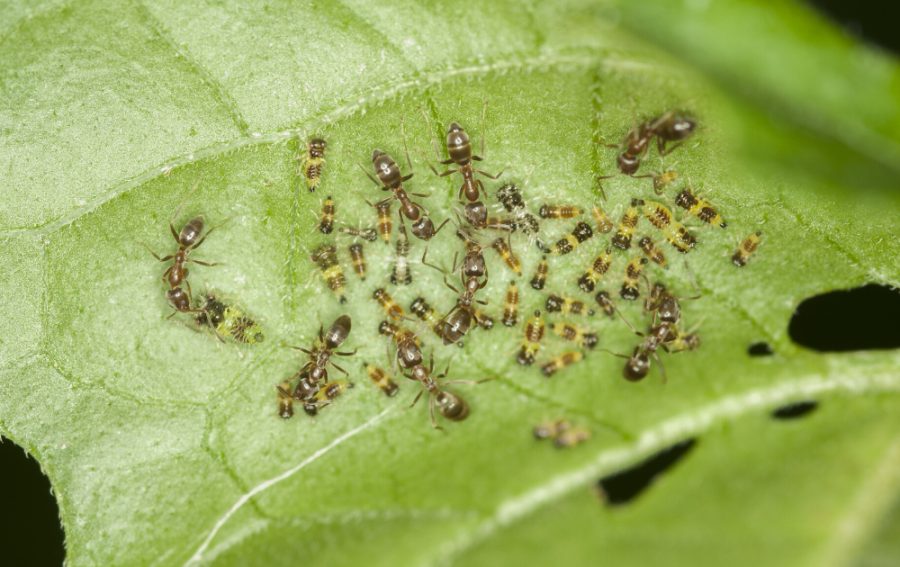
New York homes and businesses can host many types of ants, but two of the most common are carpenter ants and pavement ants. While both can become persistent pests, they differ significantly in their biology, nesting habits, and the types of damage they cause. Recognizing the differences is key to determining the right control measures and preventing costly infestations.
Carpenter ants are larger and more structurally destructive, often hollowing out wood for their nests. Pavement ants, on the other hand, are smaller and typically nest in soil or beneath hard surfaces. Both can find their way inside through tiny openings, sometimes exploiting entry points you might not notice. Understanding these differences will help you respond effectively and protect your property from long-term damage.
Physical Differences Between the Two
The first step in telling these ants apart is to closely examine their physical traits. While both species share the classic segmented body and elbowed antennae, subtle variations set them apart.
- Size: Carpenter ants are noticeably larger, typically ranging from 6 to 13 mm, while pavement ants measure about 2.5 to 4 mm.
- Color: Carpenter ants are usually black or dark brown, sometimes with reddish tones. Pavement ants are brown to black with lighter legs.
- Body features: Carpenter ants have a smooth thorax when viewed from the side, whereas pavement ants display distinct parallel grooves on their head and thorax.
Spotting these details often requires a closer look, and many homeowners may only recognize an infestation after seeing multiple worker ants foraging indoors.
Nesting Preferences and Locations
Where these ants build their colonies plays a major role in identifying them. Knowing their preferred nesting sites also helps determine how they gain access to your home or business.
- Carpenter ants: Favor damp, decaying, or hollow wood. Indoors, they might nest in wall voids, window frames, or roof eaves. Outdoors, they target rotting logs, tree stumps, and wooden structures.
- Pavement ants: Commonly nest under sidewalks, driveways, and building foundations. Indoors, they may settle in wall cracks or beneath flooring, often near heat sources in winter.
Even small structural vulnerabilities can invite both species inside. In fact, something as simple as an unsealed gap can serve as an entry point, reinforcing the importance of addressing tiny cracks that allow pest access.
Feeding Habits and Seasonal Activity
Food preferences and seasonal patterns also distinguish carpenter ants from pavement ants. Observing their behavior around food can help narrow down which species you are dealing with.
- Carpenter ants: Prefer protein-rich foods in spring and summer, shifting to sweets later in the season. Outdoors, they feed on honeydew from aphids, plant juices, and insects. Indoors, they target meats, pet food, and sugary items.
- Pavement ants: Have a broader diet, consuming sweets, proteins, grease, and dead insects year-round. They are especially aggressive foragers and will travel long distances for food.
- Seasonal trends: Carpenter ants are more active in warmer months, while pavement ants may remain active indoors throughout the year, especially in heated spaces.
Recognizing these feeding patterns can help pinpoint the species, particularly if you observe the type of food they target and the time of year they appear.
Risks and Structural Concerns
While pavement ants can be a nuisance, carpenter ants pose a greater structural threat. Understanding the risks each species presents will help you prioritize control measures.
- Carpenter ants: Do not eat wood but tunnel through it to create nests. Over time, this excavation can weaken structural elements, requiring costly repairs. They often indicate the presence of moisture-damaged wood, which may suggest other maintenance issues.
- Pavement ants: Typically do not cause structural damage, but can undermine paving stones and create unsightly soil mounds. Their presence indoors is primarily a sanitation concern, as they may contaminate food sources.
Unchecked infestations of either species can spread quickly. The hidden dangers of ants include not only the visible colonies but also the unseen damage or contamination they cause.
Inspection and Prevention Strategies
Proactive measures and routine inspections are essential for managing both carpenter ants and pavement ants. While their nesting and feeding habits differ, prevention steps often overlap.
- Seal entry points: Close gaps around windows, doors, pipes, and utility lines.
- Eliminate food sources: Store pantry items in sealed containers and clean up spills promptly.
- Address moisture issues: Repair leaks, improve drainage, and replace damaged wood to deter carpenter ants.
- Landscape maintenance: Keep shrubs trimmed and avoid stacking firewood directly against the structure.
A thorough inspection can reveal the source of an infestation and prevent future problems. Early intervention is often the difference between a minor nuisance and a costly, widespread infestation.
Get Expert Help Before Ants Take Over
Whether you are dealing with carpenter ants or pavement ants, accurate identification and timely action are key to protecting your property. Contact United States Pest Service for a professional assessment and tailored treatment plan that addresses both current infestations and long-term prevention.