
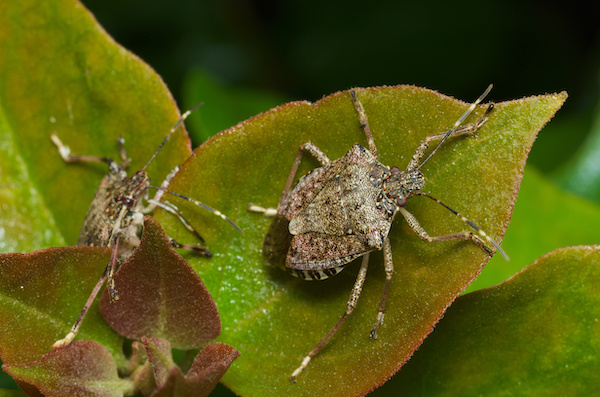
Stink bugs are a recurring concern for many New York homeowners, especially during seasonal changes when these pests seek shelter indoors. While sealing cracks and improving window screens are important preventive measures, the landscaping around your home’s foundation can also influence how often stink bugs make their way inside.
Thoughtful foundation landscaping does more than enhance curb appeal. By creating an environment that is less attractive to pests, you reduce the likelihood of infestations and make your home more secure. Understanding how plants, mulch, and ground cover interact with pest behavior is essential in crafting a landscape design that works in your favor.
Understanding Stink Bug Behavior
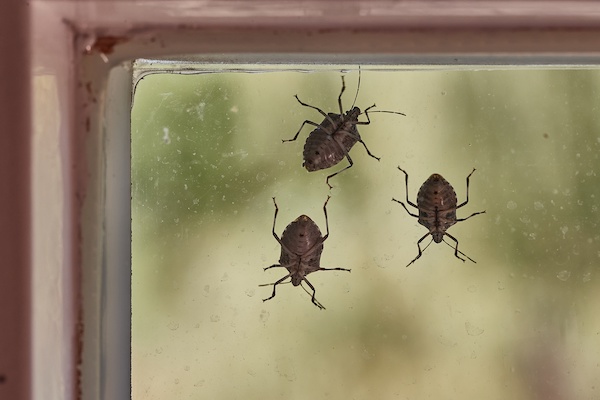
To control stink bugs effectively, it helps to understand their habits. These insects are most problematic in late summer and early fall when they move from gardens and fields toward warmer indoor spaces.
- Seasonal movement: Stink bugs typically feed on crops, fruits, and ornamental plants during warmer months, then seek indoor shelter as temperatures drop.
- Attraction factors: They are drawn to sunny, sheltered areas, often congregating on south-facing walls and near heat-reflecting surfaces.
- Entry points: Stink bugs exploit gaps in siding, vents, window frames, and any small openings around the foundation.
A well-planned landscape can act as a barrier, limiting how close they get to these vulnerable areas. For more insight into their life cycle and behavior, reviewing guidance on identifying and preventing stink bug infestations can help you anticipate seasonal activity.
Plant Selection and Placement
The type and placement of plants near your foundation can directly impact stink bug activity. Some plants provide food sources or shelter that encourage these pests to linger close to your home.
- Avoid high-attraction plants: Stink bugs are especially fond of fruit-bearing plants and certain ornamentals like sunflowers, tomatoes, and peppers. Planting these farther from your home reduces risk.
- Choose pest-resistant species: Incorporate plants less appealing to stink bugs, such as marigolds, lavender, or chrysanthemums, which may help deter them.
- Maintain adequate spacing: Keep shrubs and plants trimmed back from walls to reduce shaded, sheltered zones that provide cover for pests.
A strategic approach to plant selection and placement can significantly limit the number of stink bugs that reach your foundation perimeter.
Mulch and Ground Cover Management
Mulch and ground cover contribute to a healthy landscape, but they can also provide hiding spots for pests. Managing these materials carefully can reduce the appeal for stink bugs and other insects.
- Limit thick mulch layers: Deep mulch holds moisture and offers shelter for insects. Keep layers around 2 to 3 inches and avoid piling them against the foundation.
- Consider gravel or stone borders: These materials reduce hiding spaces and create a less hospitable environment for pests compared to organic mulch.
- Control weeds and debris: Remove plant debris and weeds that create additional harborage near your home’s base.
Properly maintained ground cover not only supports plant health but also minimizes conditions that allow stink bugs to remain close to entry points.
Structural and Landscape Integration
Foundation landscaping should be designed with your home’s structure in mind. The goal is to create a seamless barrier where your landscape choices enhance the effectiveness of physical pest-proofing measures.
- Grade for water control: Ensure the soil slopes away from the foundation to avoid moisture buildup, which can indirectly attract insects.
- Trim overhanging branches: Trees and shrubs that touch the structure can give pests easy access to upper floors or rooflines.
- Install perimeter-friendly features: Decorative stone beds, edging, and walkways can act as both design elements and pest deterrents.
When landscaping is coordinated with structural maintenance, it supports a comprehensive defense against unwanted pests, including stink bugs.
Avoiding Common Pest Prevention Mistakes
Even with good landscaping practices, mistakes can undermine your efforts and allow stink bugs inside. Awareness of these pitfalls can help you maintain effective protection.
- Neglecting seasonal adjustments: Landscaping needs change throughout the year. Allowing plants to grow unchecked in late summer can create ideal conditions for pests.
- Over-reliance on DIY treatments: While sprays and traps may help temporarily, they rarely address the root cause of infestations. As discussed in our article on common DIY pest control mistakes, improper techniques can even worsen the problem.
- Ignoring minor entry points: Even the best landscape design will not stop stink bugs if gaps in the structure remain unsealed.
Avoiding these missteps ensures your landscaping efforts are fully supported by other preventive measures.
Keep Stink Bugs Out for Good
A well-planned foundation landscape is an important part of reducing stink bug entries and keeping your home secure. For a tailored prevention strategy that combines landscaping insight with proven pest control techniques, contact United States Pest Service for expert assistance.