
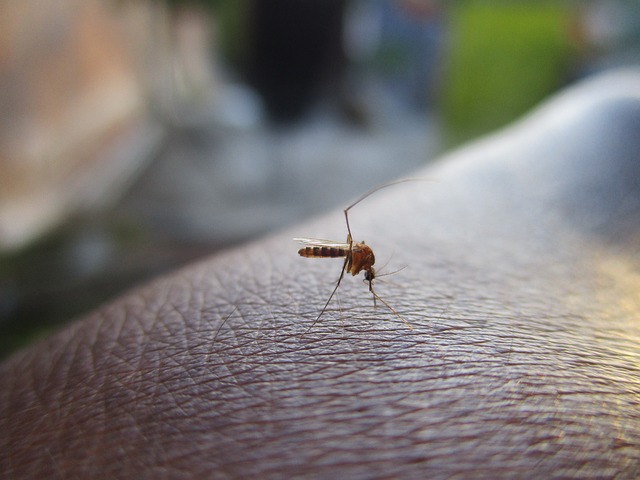
Outdoor spaces are meant for relaxation, gatherings, and recreation, but the presence of mosquitoes and ticks often disrupts those plans. These pests are not only irritating but also capable of transmitting harmful diseases. For families, pet owners, and anyone who enjoys time outside, effective mosquito control and tick control strategies are critical to maintaining safe and enjoyable environments.
Integrated pest management approaches combine preventive measures, targeted treatments, and professional oversight to reduce risks. Understanding where these pests thrive and how to limit their impact makes a significant difference in outdoor comfort and safety.
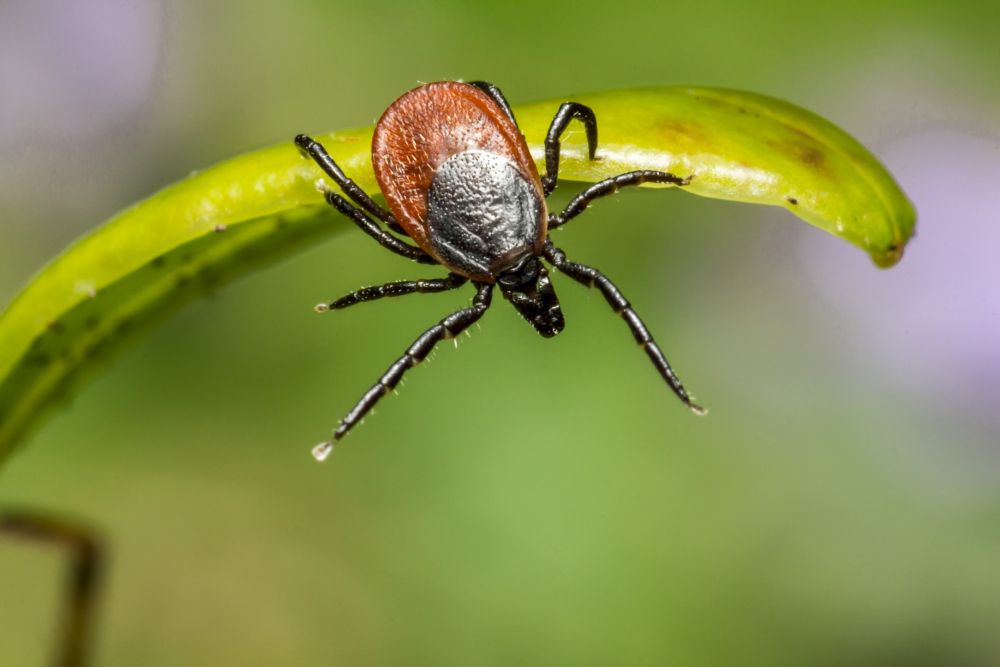
Understanding Where Mosquitoes and Ticks Thrive
Both mosquitoes and ticks rely on specific environmental conditions, which makes identifying and managing these habitats an essential first step in prevention.
- Mosquitoes: These pests need standing water to breed, and even small amounts in birdbaths, gutters, or plant saucers can support large populations. Shaded, overgrown areas also provide shelter for adult mosquitoes during the day.
- Ticks: Ticks prefer tall grasses, brush, and leaf litter where they wait for a host to pass by. They are commonly found along wooded edges, in overgrown yards, or in areas frequented by wildlife.
- Shared environments: Properties with wooded sections, damp soil, and areas of stagnant water are particularly vulnerable to both pests.
By recognizing these conditions, property owners can reduce suitable habitats and make their yards less attractive. Still, complete management requires more than environmental changes alone.
Preventive Strategies for Outdoor Areas
Prevention is a cornerstone of both mosquito control and tick control. Homeowners can reduce risks by focusing on maintenance and design choices that discourage pests from settling in.
- Eliminate standing water: Regularly check gutters, planters, and yard décor for water buildup.
- Maintain landscaping: Keep grass trimmed, remove excess brush, and create tidy yard edges to minimize tick habitats.
- Add protective barriers: Use gravel or wood chips to separate lawns from wooded areas and reduce tick migration.
- Improve drainage: Address areas where rainwater collects to prevent mosquito breeding.
- Choose safe plantings: Incorporating certain plants like lavender or marigolds may provide mild deterrents against mosquitoes.
While these efforts reduce exposure, they are rarely sufficient on their own. Pests adapt quickly, which makes professional guidance essential for effective, lasting results.
Why Integrated Approaches Work Best
Relying on a single method rarely delivers long-term relief. Integrated pest management combines multiple tactics that target pests at different stages of their life cycles.
- Habitat reduction: Removing breeding and resting areas prevents populations from building up.
- Targeted treatments: Applying professional-grade solutions directly to high-risk areas provides precise control.
- Barrier applications: Treatments on vegetation and yard perimeters stop ticks and mosquitoes from moving freely into outdoor spaces.
- Ongoing monitoring: Regular inspections ensure that interventions remain effective and adapt to seasonal changes.
- Education and awareness: Homeowners learn how daily practices contribute to reducing risks.
For mosquitoes, approaches described in effective strategies for residential areas highlight how combining prevention and treatment yields better results than temporary solutions. A similar integrated philosophy applies to ticks, whose presence can persist across seasons if not managed consistently.
The Limits of DIY Efforts
Do-it-yourself methods may provide short-term relief but often fail to address the root of the problem. Store-bought sprays and home remedies typically target visible pests without reaching breeding zones or hidden harborage areas.
DIY efforts can also lead to common mistakes such as misusing products, applying them inconsistently, or overlooking the environmental factors that support pest survival. As outlined in discussions of DIY pest control pitfalls, these missteps not only reduce effectiveness but sometimes make infestations worse.
Because mosquitoes and ticks spread disease, relying on incomplete or inconsistent methods increases risks for families and pets. Professional oversight ensures that control efforts are both safe and comprehensive.
Building Safe and Enjoyable Outdoor Spaces
The ultimate goal of mosquito control and tick control is to create outdoor spaces that families can enjoy without worry. By integrating prevention, treatment, and monitoring, yards and recreational areas remain healthier and more inviting. Professionally guided strategies provide long-term solutions that adapt to seasonal changes and shifting pest pressures.
Safe outdoor spaces are not just about eliminating pests but about fostering environments where people feel comfortable spending time. For families, this means children can play in the yard without parents worrying about insect bites that may carry disease. For pet owners, it ensures animals can roam freely without the constant threat of ticks attaching and transmitting illnesses. For those who love to host gatherings, effective pest management makes patios, decks, and gardens more enjoyable for guests.
For homeowners, the investment in expert support ensures protection from pests that carry risks of West Nile virus, Lyme disease, and other health threats. With proper planning, outdoor areas can be transformed into extensions of living space rather than avoided zones.
Take Back Your Yard
Outdoor spaces should be safe and enjoyable, free from the risks that mosquitoes and ticks create. With professional guidance, pest populations can be managed effectively and sustainably. For expert help in protecting your property, contact United States Pest Service and bring lasting comfort back to your outdoor spaces.