
Pet owners know how distressing it is to see a beloved animal scratching relentlessly or showing signs of discomfort. When this happens, the first question is often: Is it fleas or ticks? Both parasites are common threats that feed on blood, cause irritation, and carry health risks. However, their behavior, appearance, and the way they affect pets are very different. Distinguishing between them is essential for effective treatment and prevention.
Fleas and ticks are not just seasonal annoyances. They are year-round pests that can affect households and create persistent problems if not addressed with a professional plan. Understanding how to tell them apart is the first step toward protecting both pets and families.
How to Identify Flea Bites on Pets
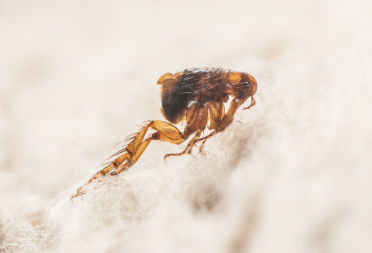
Fleas are small, wingless insects that thrive in carpets, bedding, and shaded outdoor areas. Their bites can cause significant irritation to pets, leading to constant scratching and even allergic reactions. Common signs of flea activity include:
- Clustered Red Bumps: Flea bites usually appear in small groups, often concentrated around the belly, groin, or inner thighs.
- Excessive Scratching: Pets often scratch or bite at their skin, especially near the hindquarters and tail base.
- Hair Loss and Hot Spots: Persistent itching can result in bald patches and inflamed areas known as hot spots.
- Black Specks on Fur: Flea droppings, sometimes called “flea dirt,” resemble tiny black pepper-like granules on your pet’s coat.
Fleas also spread quickly within the home environment. Without proper flea control, infestations can spread from one pet to another and into soft furnishings. A detailed look at the common hidden flea hotspots reveals why infestations often return if the source is not eliminated.
How to Recognize Tick Bites on Pets
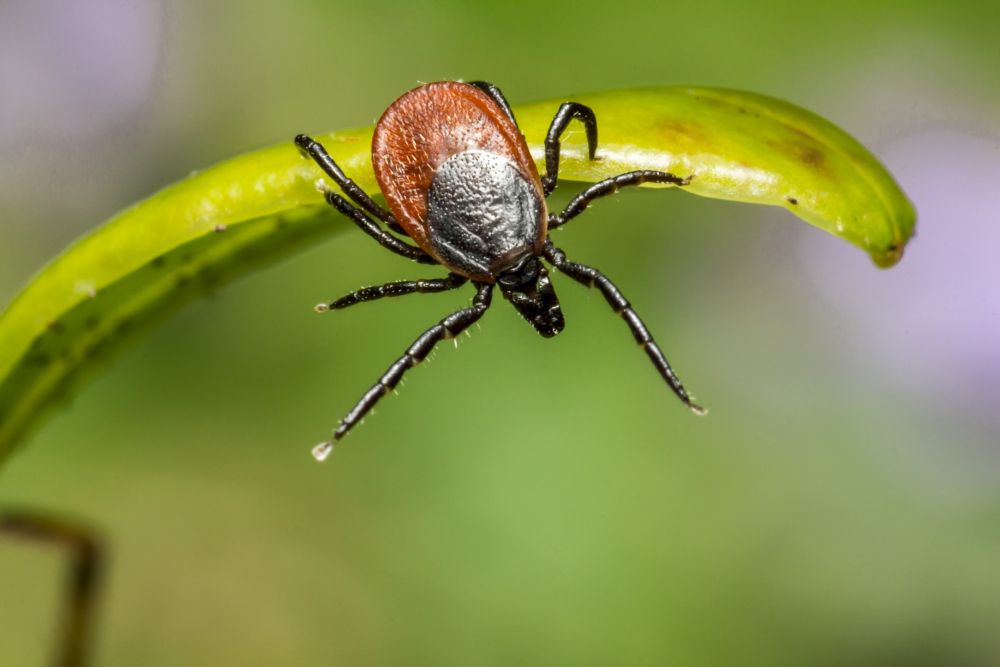
Ticks are arachnids, which makes them more closely related to spiders than to insects. Unlike fleas, ticks do not jump or fly; instead, they climb onto hosts from tall grass or shrubs. Recognizing tick bites is different from identifying flea bites:
- Single Large Bites: Tick bites usually appear as isolated red welts, sometimes with a dark center.
- Visible Parasite: Ticks often remain attached to the skin for several days while feeding, making them easier to spot.
- Localized Swelling: The bite site can swell and may feel warm to the touch.
- Lethargy or Illness: Because ticks can transmit diseases such as Lyme disease, pets may show fatigue or joint stiffness.
Ticks often prefer areas like the ears, between toes, and around the neck where the skin is thinner. Proper tick control is crucial to reduce both discomfort and the risk of disease transmission.
Key Differences Between Fleas and Ticks
Although both pests target pets, the way they feed, live, and reproduce makes them very different threats. Understanding these differences helps pet owners respond more effectively.
- Size and Appearance: Fleas are tiny and hard to see, while ticks are larger and visible during feeding.
- Mobility: Fleas jump rapidly and spread quickly, whereas ticks cling tightly to one host for long periods.
- Health Risks: Fleas cause allergic dermatitis and can transmit tapeworms, while ticks spread more serious diseases like Lyme disease and Rocky Mountain spotted fever.
- Infestation Patterns: Fleas infest entire environments, while ticks are more likely to attach outdoors and then enter the home on pets.
Both pests require immediate attention. However, the type of treatment will vary, which is why identifying the culprit is so important.
Why Professional Control is More Effective Than DIY
Many pet owners attempt home remedies or store-bought sprays, only to find that infestations persist. DIY treatments rarely address the root cause of the problem. Professional services, on the other hand, provide:
- Targeted Inspections: Experts know where to look for fleas and ticks inside the home and in outdoor spaces.
- Safe Application of Treatments: Professionals apply products that eliminate pests without harming pets or children.
- Long-Term Prevention: Customized strategies reduce the risk of reinfestation by treating both pets’ environments and likely pest entry points.
- Integrated Solutions: Combining flea control and tick control ensures that every stage of the life cycle is disrupted.
Relying on expert services also ties into larger, proactive strategies for property-wide pest prevention. Using smart portfolios helps ensure that pest management remains effective over time, even when conditions change.
Creating a Pet-Safe Environment Year-Round
Protecting pets from fleas and ticks requires more than reactive measures. Establishing a safe environment should be part of ongoing care. Businesses and homeowners alike benefit from building habits that minimize risks:
- Regular Pet Checks: Inspect pets after outdoor play, paying attention to ears, neck, and paws.
- Vacuum Frequently: Clean carpets, furniture, and pet bedding where fleas may hide.
- Trim Vegetation: Keep grass short and remove debris where ticks may shelter.
- Wash Pet Bedding: Clean fabrics weekly in hot water to kill hidden pests.
- Schedule Professional Visits: Consistent checkups ensure small problems never escalate into major infestations.
These practices, when combined with expert guidance, create a reliable defense system against both pests. Families gain peace of mind knowing pets are comfortable and safe.
Protect Your Pets with Confidence
Identifying whether fleas or ticks are causing pet bites is the first step, but long-term safety requires a professional approach. Protect your home, pets, and family by contacting us at United States Pest Service today for proven solutions tailored to your needs.