
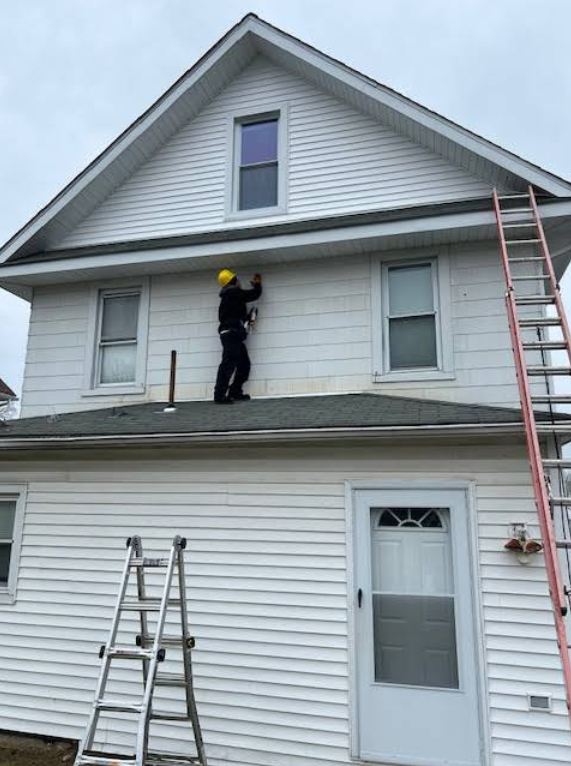
Many pest problems begin quietly. A few ants along a baseboard, faint scratching behind a wall, or a single cockroach sighting in a basement may seem minor at first. However, these early signs often indicate a larger issue developing out of view. Professional pest control does not rely solely on treatment after an infestation appears. It prioritizes consistent monitoring to prevent escalation.
From an expert perspective, pest monitoring is a proactive system designed to detect activity at its earliest stage. Rather than reacting to visible infestations, structured inspections and tracking methods allow technicians to intervene before ants, termites, rodents, cockroaches, and spiders establish larger colonies.
Why Early Detection Matters
Pests rarely multiply overnight. Most infestations follow predictable patterns that begin with subtle indicators. Professional pest control programs focus on identifying those indicators before structural damage or contamination occurs.
Early warning signs often include:
- Small clusters of ants near moisture sources
- Termite mud tubes along foundation walls
- Rodent droppings in storage areas
- Cockroach activity in humid corners
- Spider webs accumulating in undisturbed spaces
Ignoring these early signs can allow populations to expand rapidly. This article on hidden pest dangers explains how small pest problems often signal deeper structural concerns.
Termites, for example, may remain undetected while feeding within wood framing. By the time visible damage appears, repair costs can be high. Rodents reproduce quickly, and a single pair of mice can result in multiple litters within months. Cockroaches thrive in concealed environments and spread bacteria across surfaces as populations increase.
Monitoring programs aim to interrupt these growth cycles before they reach critical levels.
What Professional Pest Monitoring Involves
Professional pest control monitoring extends beyond visual inspection. It includes systematic evaluation of high-risk areas, documentation of findings, and strategic placement of monitoring tools.
Core components of effective monitoring include:
- Scheduled inspections of basements, crawl spaces, and attics
- Evaluation of moisture conditions near foundations
- Use of discreet rodent monitoring stations
- Inspection for termite activity along structural wood
- Assessment of kitchen and bathroom areas for cockroach presence
Monitoring stations allow technicians to detect rodent activity before visible damage occurs. Termite inspections focus on identifying conducive conditions such as excess moisture or wood-to-soil contact. Ant trails are tracked to determine nesting locations rather than treating only visible workers.
Documentation plays a critical role. By maintaining detailed records, technicians can compare activity levels over time. Subtle increases in droppings, insect sightings, or moisture conditions can indicate emerging infestations.
Professional pest control relies on this data driven approach to determine whether preventative measures or targeted treatments are necessary.
Targeting the Most Common Structural Pests
Monitoring strategies are tailored to the specific pests that commonly affect homes and properties. In many regions, the most persistent structural pests include ants, termites, rodents, cockroaches, and spiders.
Each requires a different monitoring focus:
- Ant monitoring emphasizes identifying nesting sites and entry points
- Termite monitoring centers on structural wood and foundation areas
- Rodent monitoring tracks gnaw marks, droppings, and access gaps
- Cockroach monitoring concentrates on humid, food accessible zones
- Spider monitoring identifies prey populations and web patterns
Ants often enter through small cracks near windows or doors. Monitoring helps determine whether the activity originates from an outdoor colony or an indoor nesting site. Termite inspections assess structural vulnerabilities that may invite subterranean colonies.
Rodents seek shelter and water sources, particularly during colder months. Monitoring allows technicians to identify nesting materials and movement patterns before insulation or wiring damage occurs.
Cockroaches prefer dark, humid environments such as under sinks or behind appliances. Monitoring devices placed strategically in these zones reveal activity patterns without disrupting daily routines.
The Role of Preventive Adjustments
Monitoring is not limited to pest detection. It also identifies environmental factors that may contribute to infestation risk. Professional pest control programs frequently include structural and environmental recommendations.
Preventative adjustments may involve:
- Sealing foundation cracks and entry points
- Improving drainage around the property
- Repairing plumbing leaks
- Reducing clutter in storage areas
- Adjusting landscaping that contacts the building
Small structural vulnerabilities can provide access for ants and rodents. Excess moisture creates favorable conditions for termites and cockroaches. By identifying and correcting these issues, monitoring reduces long-term infestation risk.
Homeowners can also benefit from reviewing a pest control checklist to understand common risk factors that should be addressed before problems escalate.
However, a comprehensive evaluation often reveals hidden issues that are not obvious during routine cleaning or maintenance. Professional inspections provide a more thorough assessment of both pest activity and environmental triggers.
Long-Term Protection Through Consistency
The effectiveness of professional pest control monitoring lies in consistency. One inspection provides a snapshot in time, but ongoing evaluation establishes trends and patterns. Seasonal changes influence pest behavior, and monitoring adapts accordingly.
In spring, increased moisture may attract ants and termites. During colder months, rodents seek indoor shelter. Cockroach activity may fluctuate based on humidity levels and food availability. Regular inspections account for these seasonal shifts.
Consistent monitoring offers several benefits:
- Reduced likelihood of large-scale infestations
- Early intervention before structural damage occurs
- Improved indoor sanitation and air quality
- Greater peace of mind for property owners
Rather than waiting for visible signs of infestation, proactive monitoring identifies risk factors early. This structured approach minimizes disruption and often reduces the need for extensive treatments.
From our professional perspective, monitoring is the foundation of effective pest management. It provides clarity, documentation, and measurable results that reactive methods cannot match.
Protect Your Property Before Pests Take Hold
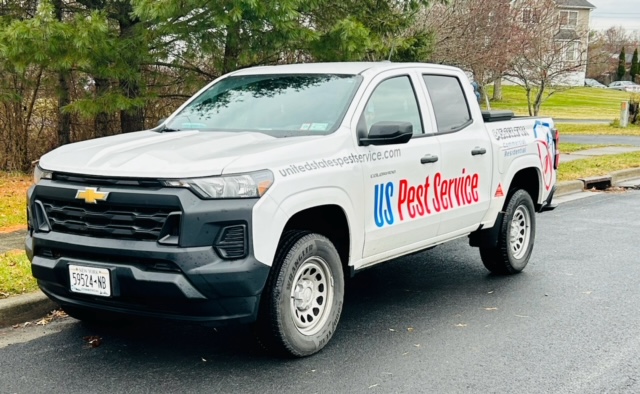
Preventing infestations begins with proactive oversight. For comprehensive professional pest control monitoring and expert evaluation, contact United States Pest Service and strengthen your protection today.