
New York’s mix of urban and suburban landscapes makes it a prime target for many types of household pests. From rodents and ants to cockroaches and termites, each season introduces new challenges. A detailed pest control checklist helps homeowners stay organized, ensuring no area is overlooked before infestations grow.
Managing pests in a city environment is more than just setting traps or spraying corners. It involves prevention, monitoring, and knowing when to call professionals. By following this checklist, you can protect your home’s structure, maintain hygiene, and avoid the recurring costs that come from late detection.
1. Inspect Key Entry Points and Vulnerable Areas
The first step in any pest prevention plan is identifying how pests get in. Even tiny cracks or gaps can serve as doorways for rodents, ants, spiders, and other insects. Since pests can enter through holes as small as a dime, inspections must be thorough and consistent.
Start with the following areas:
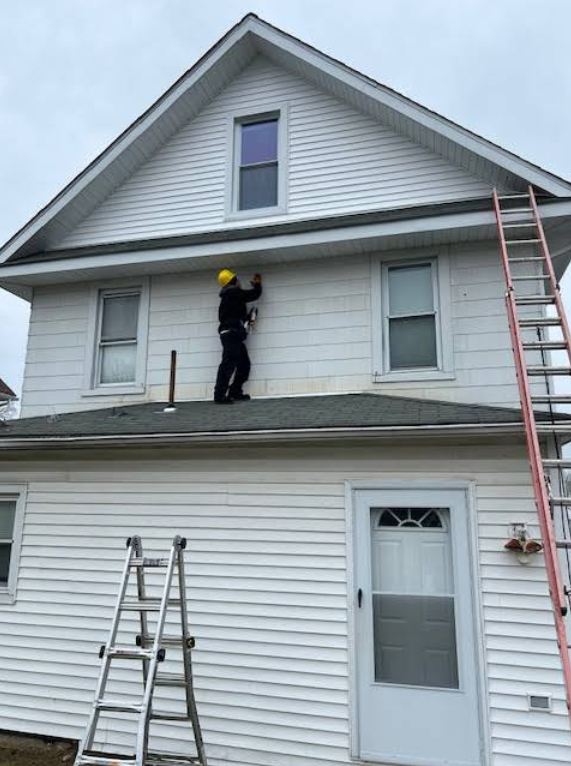
- Examine window and door frames for cracked seals or gaps.
- Inspect around utility lines, plumbing openings, and vents for unsealed spaces.
- Look inside basements, crawl spaces, and attics where light and air leaks may exist.
- Review outdoor structures such as sheds, decks, and garbage storage areas.
- Trim branches that touch your roof or walls to prevent pests from using them as bridges.
Performing these checks in early spring and again before winter ensures your home is protected during both high-activity and nesting seasons. When these inspections reveal droppings or gnaw marks, take note. Understanding what those traces mean can help identify which pest is present, as explained in this article about pest droppings information.
2. Maintain Cleanliness and Remove Attractants
Pests are opportunistic. They invade spaces where food, moisture, and shelter are readily available. Maintaining cleanliness may sound simple, but it’s one of the most overlooked steps in any pest control checklist. A cluttered pantry or damp basement can attract insects and rodents faster than you think.
Follow these cleaning and organization strategies:
- Store dry goods in sealed, airtight containers to prevent food contamination.
- Clean countertops, sinks, and appliances regularly to remove crumbs and grease.
- Dispose of trash daily, ensuring bins are tightly closed and cleaned often.
- Fix plumbing leaks and wipe standing water under sinks or behind toilets.
- Declutter storage spaces, keeping boxes off the floor and away from walls.
Even minor lapses in sanitation can invite ants, cockroaches, or mice to build nests. Reducing attractants also limits how appealing your home becomes to pests looking for warmth during colder months.
3. Adapt to Seasonal Pest Patterns
In New York, pest activity fluctuates with the seasons. Knowing when certain pests thrive allows homeowners to prepare before problems arise. This section of the pest control checklist focuses on anticipating seasonal changes and reinforcing defenses ahead of time.
Here’s what to watch for during each part of the year:
- Spring: Termites and ants begin swarming as temperatures rise. Conduct a structural inspection and treat wood where necessary.
- Summer: Flies and mosquitoes peak, especially around yards and patios. Remove standing water and use screens on open windows.
- Fall: Rodents begin looking for indoor warmth. Seal foundation gaps and clear cluttered garages or basements.
- Winter: Spiders and stink bugs move indoors seeking warmth. Clean corners and inspect insulation for hidden nests.
Regular monitoring of seasonal shifts prevents pests from gaining a foothold and keeps your prevention plan aligned with the changing climate.
4. Monitor and Document Pest Activity
A reliable pest control checklist includes consistent monitoring. Early detection saves money and prevents long-term structural damage. Even small indicators, such as droppings or grease trails, can point to developing infestations.
Effective monitoring habits include:
- Keeping a simple logbook of any pest sightings or unusual activity.
- Noting where and when traps capture pests to identify recurring problem areas.
- Checking baseboards, cabinets, and storage areas for droppings or shed wings.
- Using sticky traps to gauge insect presence in kitchens or garages.
- Scheduling seasonal inspections with a trusted professional.
Recording patterns gives you a clearer picture of where infestations might be forming. If you notice an uptick in certain pests, it may indicate environmental changes or gaps in maintenance. A professional can interpret these signs and adjust your plan accordingly. For insight on integrating technology into pest prevention, review this guide on smart pest portfolios that explains how structured programs strengthen long-term management.
5. When to Seek Professional Pest Control
While prevention measures reduce risk, infestations sometimes require more advanced solutions. Knowing when to seek professional help is a crucial part of your pest control checklist. Experts understand pest behavior, nesting habits, and chemical safety, areas where DIY efforts often fall short.
Professionals can provide:
- Comprehensive property assessments using thermal and moisture detection tools.
- Tailored treatment plans specific to the pest species and infestation scale.
- Safe, regulated applications that protect both family and pets.
- Exclusion work to seal reentry points and prevent future invasions.
- Scheduled follow-up visits to ensure long-term success.
Attempting to handle a large infestation on your own can make matters worse. Improper pesticide use, missed colonies, or incomplete sanitation often lead to recurring problems. A professional pest inspection ensures that the infestation is not just treated but resolved at its source.
Protect Your New York Home with Year-Round Prevention
A well-organized pest control checklist gives you confidence through every season. By routinely inspecting entry points, cleaning thoroughly, adapting to seasonal pest cycles, and documenting what you see, your home remains protected and resilient against invaders.When your prevention plan needs expert reinforcement, reach out to United States Pest Service for customized protection strategies that keep your home pest-free all year.