
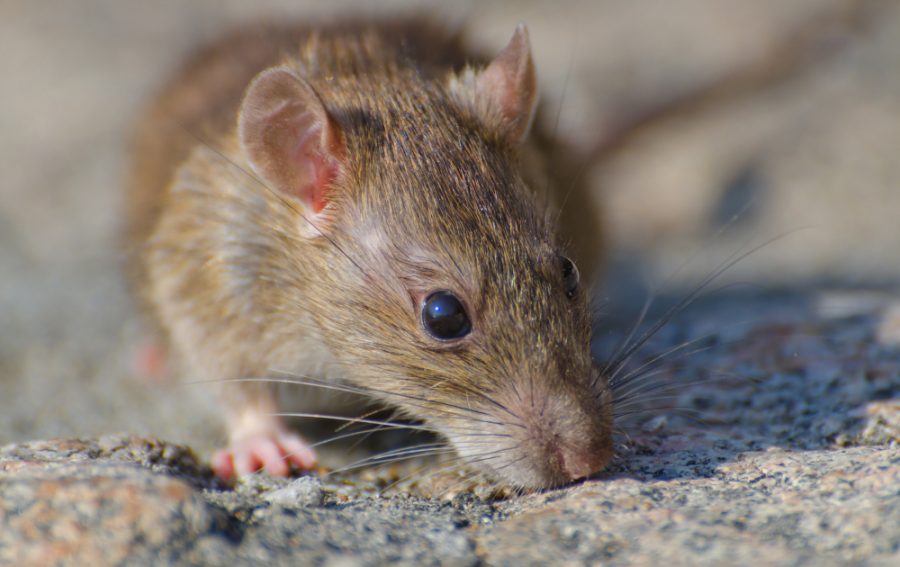
As temperatures begin to cool, many homeowners unknowingly prepare the perfect refuge for rodents and other fall pests. Warm attics, cluttered garages, and cozy basements offer everything these pests need to survive the colder months. Once inside, rodents can contaminate food, chew wires, and compromise insulation. Early prevention and professional rodent control help safeguard your home before these unwelcome guests settle in.
Understanding what attracts rodents and how to make your property less inviting is key. Acting before the first cold snap can save time, reduce costs, and prevent infestations that often go unnoticed until spring.

Why Rodent Activity Increases in Fall
When temperatures drop, rodents begin seeking warmth, food, and shelter. Mice and rats can fit through openings as small as a dime, which means even minor cracks or loose vents can become entry points.
Typical factors that increase rodent activity include:
- Temperature changes. As outdoor food sources dwindle, rodents move indoors in search of sustenance and safety.
- Breeding cycles. Late summer and early fall often see population peaks, meaning more rodents are competing for fewer outdoor resources.
- Structural gaps. Foundation cracks, door sweeps, and roof vents allow easy access into homes.
- Stored goods and clutter. Cardboard boxes and fabric provide ideal nesting material for rodents during colder months.
Preventive measures taken before late fall can stop rodents from establishing nests that become difficult to detect.
Early Signs of Rodent Activity Indoors
Detecting an infestation early can prevent damage and contamination. Subtle signs often appear before visible droppings or gnawed wires. Knowing what to look for helps homeowners respond promptly and efficiently.
Key signs include:
- Unexplained noises. Scratching or scurrying sounds inside walls, ceilings, or under floors often indicate rodent movement.
- Droppings and stains. Small dark pellets found along baseboards or in cabinets are clear evidence of activity.
- Gnaw marks. Fresh chew marks on furniture, boxes, or wires suggest rodents are exploring food sources or building nests.
- Foul odors. Musky smells in hidden areas can result from nesting or urine buildup.
- Grease trails. Rodents follow the same routes repeatedly, leaving smudge marks from their fur along walls or pipes.
If these signs are noticed, immediate action is crucial. Understanding more about what droppings reveal can be found in this helpful guide on pest droppings information, which explains why identifying droppings correctly matters for safety and prevention.
Simple Prevention Measures Before Winter
Proactive prevention is more effective and less expensive than dealing with a full infestation. Before cold weather sets in, inspect and fortify potential entry points.
Key prevention steps include:
- Seal cracks and gaps. Use steel wool and caulk to fill holes around plumbing, vents, and utility lines. Rodents can chew through many materials, but not steel or copper mesh.
- Replace damaged screens. Ensure all window, attic, and crawl space vents are covered securely with fine mesh.
- Maintain cleanliness. Eliminate crumbs, pet food, and accessible trash that attract rodents. Store food in sealed containers.
- Declutter storage areas. Keep boxes elevated and avoid fabric or paper piles that can be used for nesting.
- Trim vegetation. Cut back shrubs or branches near your home to limit access routes to the roof or attic.
These measures, while useful, are most effective when combined with professional inspection. Rodents are skilled at finding hidden entryways and nesting spots that often go unnoticed by homeowners.
How Rodent Control Experts Handle Fall Pests
When basic prevention falls short, professional rodent control provides a more comprehensive solution. Trained technicians use a combination of exclusion, sanitation, and monitoring techniques designed for seasonal pest behavior.
A professional inspection typically involves:
- Detailed assessment. Identifying rodent species, nesting areas, and potential access points both inside and outside the home.
- Strategic placement of traps or bait stations. Using safe, targeted methods to control active populations.
- Exclusion work. Sealing and reinforcing structural weaknesses that allow re-entry.
- Sanitation guidance. Recommending adjustments to storage, waste management, and food handling to prevent re-infestation.
- Ongoing monitoring. Regular follow-ups to ensure effectiveness throughout the winter season.
Rodent control experts also consider the presence of other fall pests like spiders or cockroaches, which often coexist in similar hiding areas. An integrated plan eliminates multiple threats simultaneously and prevents the infestation from spreading. For additional protection strategies, check these rodent-proofing tips designed specifically for seasonal transitions.
The Importance of Acting Early
Waiting until you notice visible signs of infestation can lead to costly repairs and health risks. Rodents reproduce quickly, and one pair can produce dozens of offspring in a single season. Early preparation and inspection are crucial for maintaining a pest-free home before winter begins.
Benefits of early prevention include:
- Reduced risk of property damage and contamination.
- Lower long-term pest management costs.
- Fewer health risks associated with rodent droppings and bacteria.
- Greater peace of mind knowing your home is protected before temperatures drop.
Even minor seasonal changes can trigger increased rodent movement. Acting early prevents them from settling in while your family stays warm indoors.
Secure Your Home Before the Cold Sets In
Fall preparation is the best defense against unwelcome pests. Sealing gaps, maintaining cleanliness, and scheduling professional inspections all work together to ensure peace of mind through winter.For expert prevention and lasting rodent control, contact United States Pest Service today and protect your home from seasonal invaders before cold weather arrives.