
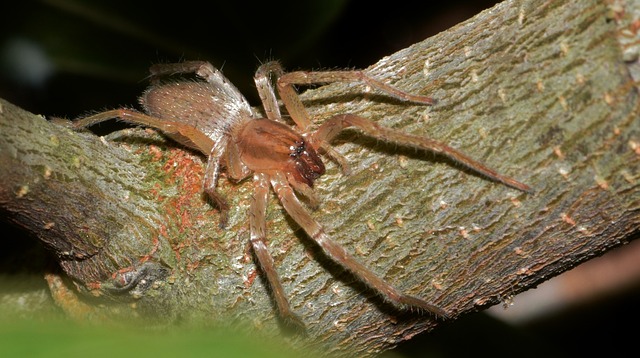
Many homeowners notice an increase in spider activity as late fall approaches. While this may seem sudden, the shift is part of a predictable seasonal pattern influenced by temperature changes, food availability, and natural instinct. Spiders become more visible during this time, not because they suddenly multiply, but because they begin seeking stable environments and suitable mating opportunities before winter settles in.
Understanding why these changes occur helps homeowners manage activity more effectively and prepare their homes before cold weather intensifies the movement. Late fall spider behavior can feel alarming, especially when webs appear around entryways or spiders show up in basements, closets, or ceiling corners. With a clear understanding of what drives these patterns, spider control becomes easier and more proactive.

Why Late Fall Increases Spider Activity
Spiders become more noticeable in late fall for several interconnected reasons. As temperatures drop, their outdoor activity shifts closer to structures where warmth and shelter are more accessible. This movement increases visibility around homes, garages, and sheds.
The main factors contributing to increased late fall spider activity include:
- Cooler temperatures that push spiders toward warm indoor environments
- Natural mating patterns that peak during late fall
- Reduced outdoor insect activity, leading spiders to search for new food sources
- Expanding web building in protected exterior areas
Spiders often inhabit properties long before they are noticed. Late fall simply changes where they appear and how often they cross paths with humans. Outdoor factors such as leaf piles, stacked firewood, and shaded exterior corners become temporary shelter points before spiders move indoors.
Homeowners who stay ahead of seasonal shifts often rely on structured routines similar to a well-organized home pest checklist to prepare their homes for increased activity. Early preparation reduces the likelihood of spiders settling inside once colder nights arrive.
Where Spiders Hide as Weather Changes
Spiders seek sheltered areas during late fall to protect themselves from cold winds, rain, and temperature swings. These shelter locations often coincide with parts of the home that remain undisturbed or insulated throughout the season. Because spiders rely heavily on stable hiding places, understanding their preferred environments helps homeowners identify early movement.
The most common hiding spots include:
- Basements, utility rooms, and crawlspaces with steady temperature
- Attics, storage closets, and wall voids where clutter provides cover
- Window frames, vents, and small entry gaps along exterior siding
These areas offer warmth and protection from outdoor hazards. Spiders also build webs near lighting fixtures, both indoors and outdoors, because lights attract insects. Webs positioned near these sources indicate spiders are leveraging available food.
Some species prefer dark, undisturbed spaces, while others position themselves near entryways to catch insects entering from outside. Late fall often brings a blend of both behaviors, resulting in a wider spread of activity throughout the home.
Food Availability Drives Indoor Movement
Insects remain a primary food source for spiders. As outdoor temperatures cool, insect presence declines, creating a natural shift in food availability. Spiders follow their food sources, moving indoors where insects continue to appear around warm appliances, basements, or kitchens.
Spiders increase indoor presence when:
- Outdoor insect populations drop significantly
- Windows and doors create easy access points
- Interior lights attract insects that spiders feed on
- Indoor humidity supports insects that thrive in damp areas
Because spiders rely on a steady supply of insects, their movement indoors is usually a sign that other pests may be present as well. Controlling humidity, sealing gaps, and reducing insect activity indirectly support long-term spider control. Understanding related risks is especially important in areas where hazardous species may appear. Information on venomous spiders in NY highlights the importance of identifying species correctly.
Spiders are beneficial in many outdoor environments, but their presence indoors can become an issue when populations grow or when certain species pose a risk.
Why DIY Spider Solutions Fall Short in Late Fall
Many homeowners turn to DIY sprays, traps, or repellents when they first notice spider activity. However, DIY efforts often fall short in late fall because they do not address the underlying conditions that attract spiders. Late fall brings unique environmental and structural factors that require deeper evaluation.
DIY spider efforts typically fail due to:
- Temporary repellents that do not eliminate insects that spiders feed on
- Incomplete sealing of entry gaps that allow recurring access
- Failure to identify hidden spider activity in crawlspaces or basements
- Limited reach of consumer products that do not treat full infestations
Surface-level treatments may remove webs or reduce activity temporarily, but spiders adapt quickly and relocate to new areas. Effective spider control focuses on long-term reduction of hiding places, humidity, and insect populations. Because conditions vary significantly from home to home, professional evaluation is often necessary to understand the full scope of activity.
Steps to Reduce Late Fall Spider Activity
Although spiders play a role in natural pest balance, homeowners prefer to limit indoor activity. Long-term spider reduction requires strategies that make the home less appealing to spiders and prevent insects from entering.
Reliable approaches include:
- Sealing entry points such as utility gaps, window cracks, and foundation openings
- Reducing clutter in storage areas to limit hiding places
- Addressing moisture issues around basements, bathrooms, and kitchens
- Maintaining exterior areas by removing debris, trimming vegetation, and clearing webs
These steps reduce conditions that invite spiders into the home. When combined with consistent monitoring, homeowners can significantly decrease late fall movement and maintain a more controlled interior environment.
Keep Spiders Out Before Winter Arrives
For effective management and long-lasting spider protection, reach out to United States Pest Service. We provide trusted support tailored to seasonal pest activity.