
As temperatures begin to fall, pests across the region shift their behavior in search of warmth, shelter, and steady food sources. Homes naturally become prime targets, offering stable indoor environments that protect pests from the harsh winter season. A pre-winter pest inspection is one of the most effective ways to stay ahead of this movement. Inspecting before cold fronts arrive allows homeowners to address vulnerabilities early, identify activity that may already be developing, and prevent costly infestations during the winter months.
Many pests remain active well into fall, even if their presence becomes less obvious. Rodents, spiders, ants, and occasional invaders all respond to dropping temperatures by seeking indoor access points. Waiting until cold weather sets in often means pests have already established nests in walls, attics, or basements. Early inspections help reveal weak points in the home’s structure, provide insights into pest behavior, and establish a preventive strategy before pests settle indoors for the season.
A timely pre-winter pest inspection offers peace of mind, reduces long-term risk, and protects your home from the seasonal pressures that colder weather brings.
Why Pests Become More Active Before Winter Arrives
The period before winter is a crucial time in pest behavior patterns. Colder temperatures force pests to relocate, increasing activity near homes as they search for viable entry points. Even subtle environmental shifts can stimulate this movement. Recognizing these seasonal cues makes it clear why early inspections matter.
Common pre-winter pest behaviors include:
- Increased scouting behavior from rodents seeking insulated nesting sites
- Greater spider activity around windows, basements, and storage areas
- Movement of ants and other insects toward moisture-rich indoor environments
Rodents, in particular, become more determined as temperatures decline. Their search for shelter often targets attics, garages, and crawlspaces, where insulation and warmth support winter nesting. Our guide on rodent season prep reinforces how early action can prevent rodents from settling inside before winter fully arrives.
Spiders also become more noticeable during late fall. Their presence is often misunderstood as an indication of sudden infestation, but seasonal patterns explain this increase. Our findings on fall spider activity show why spiders move indoors more frequently before winter begins.
Early inspection identifies these trends before pests establish themselves.
How a Pre-Winter Inspection Protects Your Home
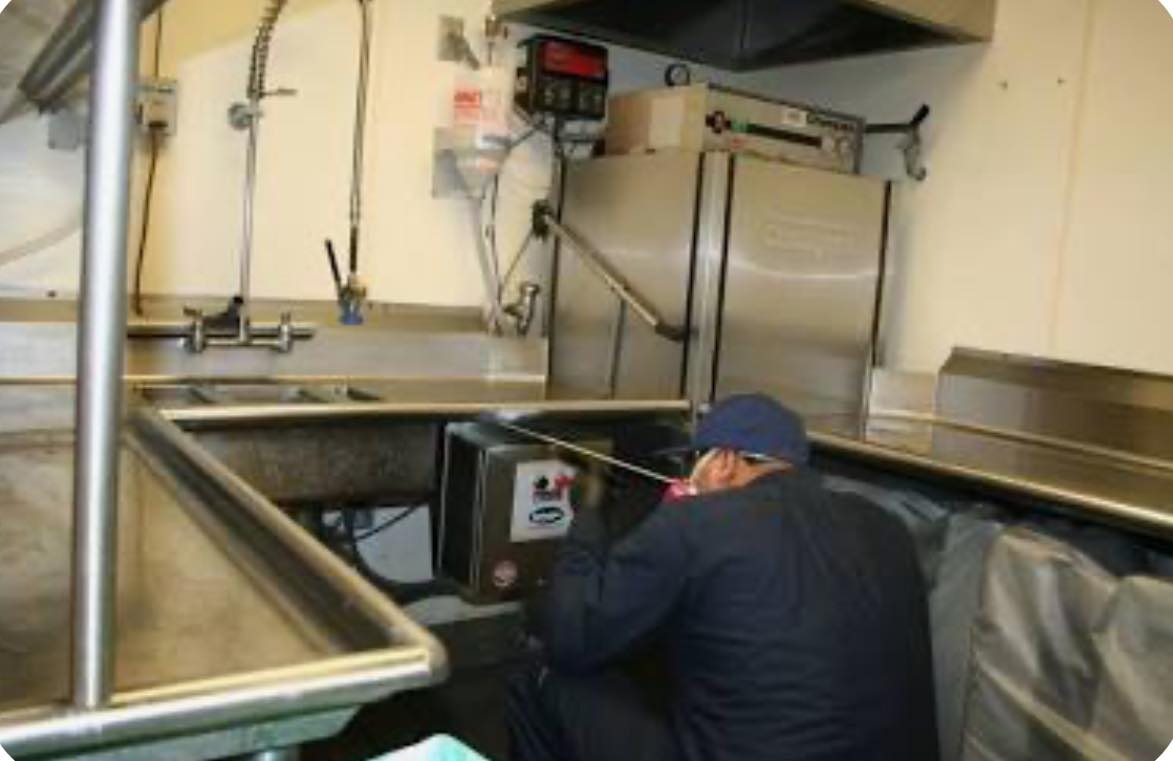
A pre-winter pest inspection identifies problems before they turn into larger infestations. Inspectors evaluate moisture levels, structural openings, and early signs of pest activity that may be invisible to homeowners. This preventive approach creates a safer and healthier indoor environment throughout the winter season.
A thorough inspection offers the following benefits:
- Identifies cracks, gaps, and openings that become easy access points
- Detects early pest activity before colonies or nests expand
- Reduces the likelihood of major infestations during the coldest months
Even the smallest gaps can provide entry for pests. Mice only need a quarter-inch opening to enter a home, while spiders and insects can slip through even smaller spaces. Identifying these issues early allows for timely sealing and reinforcement.
Inspections also reveal subtle signs of activity such as droppings, gnaw marks, damaged insulation, or webbing. Addressing these early prevents pests from becoming established in areas where they are difficult to reach later in the season.
By taking action before winter begins, homeowners experience fewer disruptions and maintain a more comfortable indoor environment.
Common Areas of Vulnerability Found During Inspections
Pests take advantage of structural weaknesses that go unnoticed during everyday life. A pre-winter pest inspection focuses closely on areas where pests commonly enter, hide, or nest. These areas often require detailed evaluation because they are not part of routine household maintenance.
Inspectors frequently uncover vulnerabilities such as:
- Gaps around doors, windows, utility lines, and foundation edges
- Damaged insulation or cluttered storage areas that support nesting
- Moisture accumulation that attracts insects seeking hydration
Doors and windows tend to shift with seasonal changes, creating gaps that pests can exploit. Foundation cracks or openings around utility pipes also serve as common access points. Inspectors evaluate these locations carefully to ensure they are properly sealed.
Insulation issues allow rodents to nest undetected. Cluttered garages or basements provide shelter and warmth, making them ideal for pests preparing for winter.
Moisture plays a major role in pest survival. Even small leaks or condensation can attract a variety of insects, making moisture control a key part of the inspection process.
Why Early Detection Saves Time, Stress, and Money
The longer pests remain inside a home, the more damage they can cause. Rodents chew through wiring, insulation, and storage items. Insects contaminate food supplies and may spread allergens. Early detection through a pre-winter pest inspection reduces the extent of potential damage and supports a more cost-effective approach to pest management.
Early detection prevents problems by:
- Reducing the need for extensive repairs caused by long-term infestations
- Limiting pest spread into multiple areas of the home
- Preventing food contamination, insulation damage, and health-related concerns
Repairs for rodent damage can be costly, particularly when electrical wiring or structural materials are involved. Preventing these issues through early inspection is far more efficient than addressing damage after pests have settled for the winter.
Identifying activity early also reduces the need for intensive treatments later. Managing a small issue is always easier and safer than addressing a widespread infestation.
Homeowners who prioritize early inspections enjoy a cleaner, safer, and more comfortable home throughout the winter season.
Why Professional Inspections Are More Effective Than DIY Checks
Inspecting for pests requires training, specialized tools, and a deep understanding of pest behavior. While homeowners may notice surface issues, a professional inspection goes far beyond what the untrained eye can identify. Professionals examine hidden spaces, structural vulnerabilities, and early activity that often go unnoticed.
Professional inspections are effective because:
- Technicians understand specific pest behaviors and seasonal patterns
- Tools such as moisture meters and specialized lights detect hidden issues
- Comprehensive evaluations ensure all vulnerable areas are addressed
Attempting to manage inspections independently may leave key areas overlooked, allowing pests to persist undetected. Professional insight ensures accuracy and long-term protection.
Protect Your Home Before Winter Arrives
If you want to keep pests out as temperatures drop, early inspection is essential. Contact United States Pest Service for a reliable pre-winter pest inspection that protects your home throughout the cold season.