
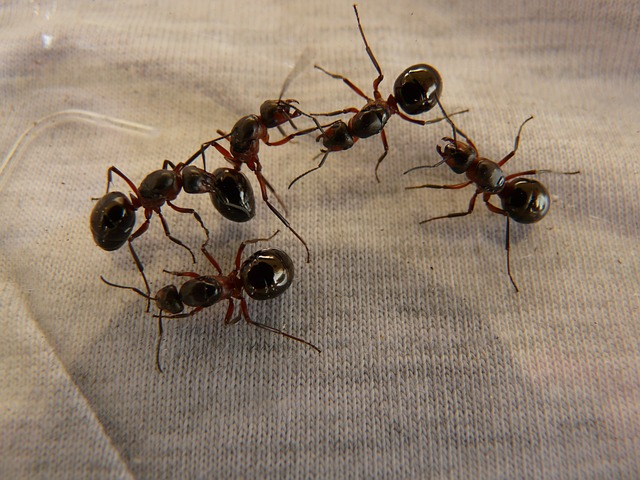
Warm weather changes the way ants behave around New York homes. As soil temperatures rise and outdoor moisture shifts, colonies become more active, and workers begin searching farther for food, water, and sheltered routes. That is why a few ants near a patio, sink, pantry, or window can quickly become a steady indoor trail.
Ant prevention works best when the home is inspected as part of the larger property. Ants may start outside in soil, mulch, pavement cracks, foundation edges, or landscaping before they appear indoors. A professional inspection connects the visible trail to the source, identifies the conditions supporting activity, and helps homeowners avoid short-term reactions that miss the colony. It also helps separate nuisance ant activity from signs that may involve termites, roaches, rodents, or another pest that needs a different response.
Heat Increases Foraging And Colony Movement
Ants are more active when conditions are warm. Colonies need food and water to support workers, developing young, and expanding activity. In summer, ants may move across sidewalks, garden beds, patios, siding, and foundation edges until they find an opening. Once a trail reaches the home, other ants can follow the scent path.
Warm-weather activity often appears around:
- Kitchens, pantries, counters, sinks, dishwashers, and pet feeding areas
- Bathroom plumbing, laundry rooms, basements, and moisture-prone corners
- Patios, decks, grills, outdoor tables, trash bins, and recycling areas
- Foundation cracks, door thresholds, window frames, and utility openings
- Mulch, shrubs, paving gaps, retaining walls, and shaded soil near the house
The trail seen indoors may not show where the ants are nesting. Treating only the counter or floor can leave the outdoor source active. Professional service looks for the route, the food or water source, and the colony pressure behind the activity. That makes the plan more efficient and helps reduce unnecessary disruption inside the home.
Summer Pest Pressure Changes The Whole Property
Ants are only one part of the summer pest pattern. New York heat, humidity, rain, outdoor dining, garden growth, and frequent movement between yards and homes can also increase activity from mosquitoes, cockroaches, fleas, ticks, rodents, termites, bed bugs, bees, bats, and stinging insects. These pests do not all behave the same way, but they often respond to the same conditions: moisture, food, shelter, and access points.
A guide to summer pest activity explains why warm-season pest problems can build quietly before they become obvious. For ants, the pattern often starts with outdoor pressure and becomes an indoor concern when the home offers easier resources than the yard.
A professional inspection may review:
- Moisture near gutters, drains, irrigation, sinks, basements, and crawl-space edges
- Food sources in kitchens, outdoor dining spaces, trash areas, and storage zones
- Entry points around windows, doors, foundations, vents, and utility lines
- Nearby pest signs involving rodents, cockroaches, termites, fleas, ticks, or stinging insects
- Seasonal patterns that show whether the issue is new, recurring, or spreading
This wider view helps the ant service become more accurate. It also helps homeowners understand why the problem returns after cleaning if the source is still active outside. The goal is not simply to remove the ants that are visible today, but to reduce the conditions that keep inviting them back.
Indoor Trails Usually Point To Outdoor Conditions
When ants appear indoors, it is tempting to focus only on the room where they are seen. The better question is why they chose that route. Warm weather can dry out some outdoor food or water sources, while rain can flood soil nests or push ants toward more protected spaces. That movement can make indoor activity feel sudden.
Common reasons ants move closer include:
- Water access from plumbing leaks, condensation, pet bowls, or damp cabinets
- Food residue from crumbs, spills, grease, sugary drinks, or pantry storage
- Outdoor nesting near mulch, pavers, tree roots, soil cracks, or foundation edges
- Structural gaps around trim, siding, thresholds, pipes, and window frames
- Repeated seasonal pressure that follows the same pathway each year
A helpful look at summer ant trails shows why ant activity often increases as the season changes. The important point is that ants are responding to conditions. If those conditions remain, the trail may return even after the visible ants are gone.
Professional ant prevention combines identification, treatment placement, entry-point awareness, and follow-up. That is especially useful when ants are connected to wall voids, exterior colonies, or moisture conditions that are not visible during normal cleaning. With the right plan, homeowners get clearer expectations about where activity began, which areas were treated, and when additional monitoring may be needed.
Keep Warm-Weather Trails From Settling Indoors
Ants become harder to manage when the source is allowed to grow through the season. A home may need help when trails return, activity spreads to new rooms, or ants appear near moisture, food storage, patios, or foundation edges. For inspection-based help with ants, bed bugs, cockroaches, fleas, flies, mosquitoes, rodents, termites, bees, bats, stinging insects, and seasonal pest concerns, contact United States Pest Service.