
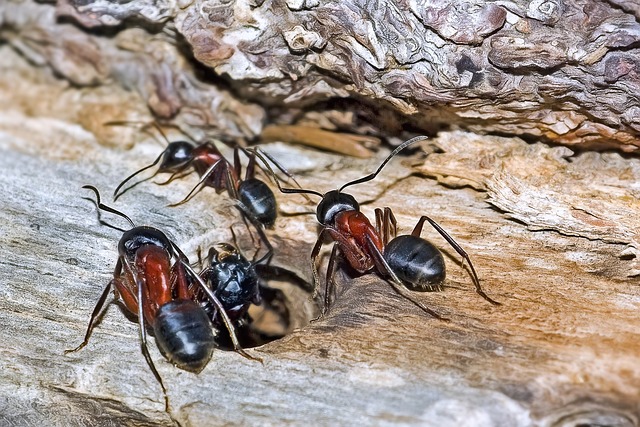
Ants often seem to appear all at once when summer gets close. One week, the kitchen looks normal. Next, a thin trail is moving along the sink, pantry, window trim, or baseboard. This increase is not random. Warmer weather changes how ants search for food, moisture, and nesting areas.
Summer also changes how people use the home. Doors open more often, food is prepared more frequently, and moisture from rain or humidity can collect around foundations. Once ants find a dependable source, scent trails guide more ants to the same spot.
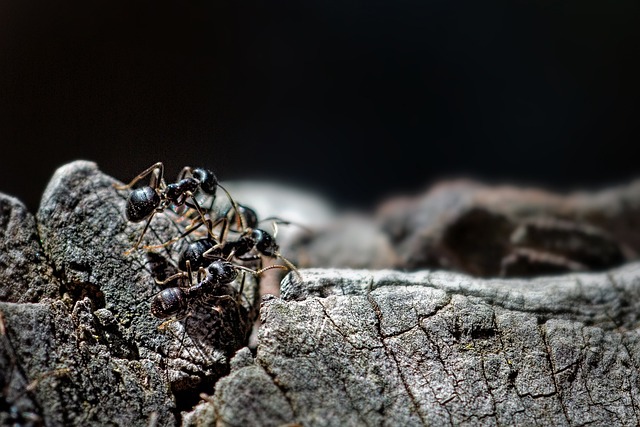
Summer Changes How Ant Colonies Behave
Ant colonies become more active as temperatures rise. During cooler months, activity may slow down, but warmer weather pushes workers to travel farther and gather more resources. Growing colonies need more ants to support the nest.
Common summer triggers include:
- Warmth. Higher temperatures increase movement and feeding activity.
- Food. Crumbs, grease, pet bowls, and pantry items become easy targets.
- Moisture. Leaky pipes, damp soil, and condensation help ants survive.
- Access. Small gaps around doors, windows, siding, and utility lines create indoor paths.
- Pressure. Heavy rain or dry spells can push ants closer to structures.
Professional ant control becomes important because surface activity is only the visible part. The larger issue may involve hidden trails, nesting sites, moisture patterns, or entry points.
Why Kitchens, Bathrooms, And Basements Attract Ants
Ants do not enter homes without a reason. Kitchens provide food residue, sweet liquids, grease, and open trash. Bathrooms offer steady moisture near sinks, tubs, toilets, and wall voids. Basements can be appealing because they may have humidity, storage clutter, foundation cracks, and low-traffic corners.
These areas can also attract cockroaches, rodents, spiders, fleas, ticks, mosquitoes, termites, bed bugs, stinging pests, and stink bugs. Different pests require different treatment strategies, but many are encouraged by moisture, shelter, access, and food.
A basement deserves special attention because pest activity can remain unnoticed until it spreads. For more details on moisture and concealed entry areas, this guide on hidden pest activity explains why lower-level spaces often need careful monitoring.
Why Ant Trails Keep Coming Back
Many homeowners notice that ants return after the visible trail is wiped away. That happens because the main colony may stay active, and scent trails can remain strong enough for workers to rebuild the route. When one path becomes blocked, ants may create another.
Recurring trails often point to:
- Nesting. Ants may be nesting outdoors near the foundation or indoors within wall voids.
- Scent. Chemical trails can continue guiding ants after visible activity is removed.
- Moisture. Damp wood, plumbing leaks, or drainage issues can keep attracting them.
- Food. Small residues behind appliances or inside cabinets can sustain activity.
- Gaps. Unsealed openings allow fresh workers to enter after earlier ants are removed.
One-time sprays may reduce what is seen, but they often miss the reason ants selected that route. A complete approach evaluates the property, identifies the ant species, and addresses the conditions that allow activity to continue.
Why Professional Monitoring Helps Prevent Larger Infestations
Ant problems are easier to manage when activity is found early. A few ants in the kitchen may seem minor, but they can signal a larger colony nearby. Professional monitoring connects small observations to the bigger picture.
A detailed inspection may focus on:
- Entry points. Technicians check gaps around exterior openings and foundation edges.
- Moisture zones. Damp areas near plumbing, soil, mulch, or basements are reviewed.
- Trail patterns. Ant movement is traced to understand where the activity begins.
- Nest pressure. Outdoor nesting areas are evaluated before activity grows indoors.
- Related pests. Conditions that attract ants may also support roaches, spiders, rodents, mosquitoes, or termites.
This type of planning supports long-term protection because it does not rely on guesswork. Regular checks can reveal new risk areas as weather, landscaping, and household habits change. This article on professional pest monitoring explains how consistent oversight helps stop infestations earlier.
How To Reduce Ant Pressure Before Summer Peaks
The best ant control plan looks at both immediate activity and the reasons ants are being drawn indoors. Summer conditions can change quickly, so prevention works best when it is steady and property-specific.
Helpful steps include keeping food sealed, cleaning crumbs from hard-to-reach areas, rinsing recyclables, and removing water. Around the exterior, trimming vegetation away from the structure, reducing excess mulch, improving drainage, and sealing obvious gaps can lower pest pressure. These steps are not a replacement for professional treatment when activity is persistent, but they help make the home less inviting.
Ants become more visible in summer because their colonies are active and homes often provide food, water, and shelter. When the trails keep returning, the issue usually needs more than a quick surface response. A careful inspection and targeted treatment plan can control active ants while reducing conditions that allow them to come back.
Protect Your Home From What Pests Leave Unseen
Pest activity does not always stop where the visible signs end. Ant trails, nesting areas, moisture pockets, and hidden entry points can continue supporting infestations even after surface pests appear reduced. A more complete pest control approach looks deeper into the conditions that allow activity to return, from access points to food and water sources. Professional inspections help identify these quiet problem areas before they spread further through the home. For professional pest inspections and long-term pest control support, contact United States Pest Service.