
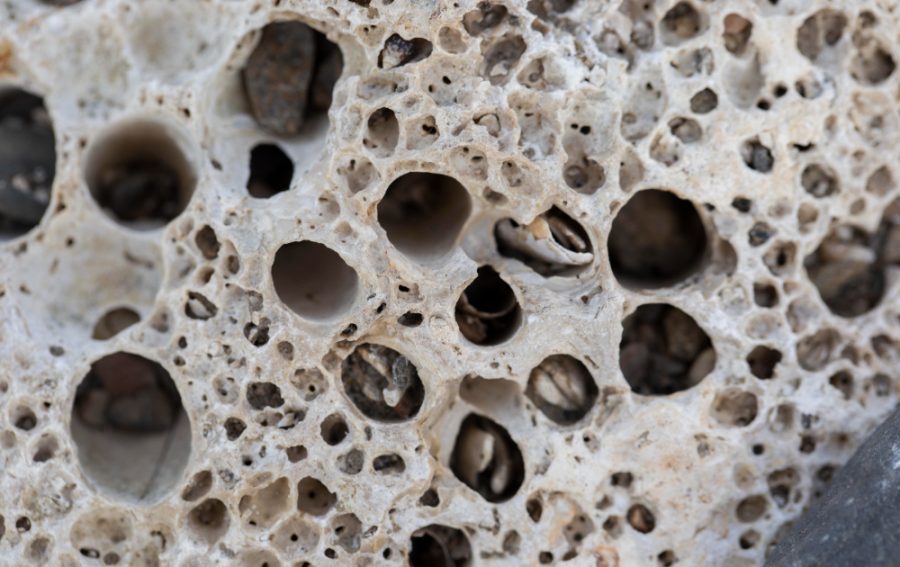
Mud tubes are often the most visible and classic warning sign of a termite infestation. These pencil-sized tunnels, made of soil and saliva, protect termites from light, air, and predators while they move between their colony and food source. But what if you’re spotting other signs of termites without seeing those distinctive tubes? That doesn’t mean your property is in the clear. In fact, it might mean the opposite.
In this article, we’ll explore how termites operate without mud tubes, what it means for your home, and how to recognize the subtler signals before extensive damage takes hold.
Subterranean vs. Drywood Termites
Understanding the species of termite involved is key to explaining the absence of mud tubes. Not all termites build them.
- Subterranean termites are the builders of mud tubes. They live in the soil and rely on these tunnels for moisture and shelter while traveling to wood sources.
- Drywood termites, on the other hand, don’t need contact with soil. They live entirely inside the wood they consume and require no mud tubes to survive or move.
If you’re not seeing tubes but are still noticing suspicious activity, drywood termites may be at work within walls, furniture, or attic beams. Unlike subterranean colonies, these termites enter through exposed wood or gaps in roofing and remain hidden inside the structure for years.
In colder climates, you might also assume termite activity has ceased. But as explained in this article on termites in the winter, they can remain active year-round, especially if they’ve already established themselves indoors.
Subtle Signs of an Active Termite Infestation
Even without mud tubes, termites leave behind clear (though often overlooked) clues. Keep an eye out for these less-obvious warning signs:
- Discarded wings: Swarmers shed their wings after mating and starting new colonies
- Frass: Piles of pellet-like droppings often found near baseboards or beneath wooden furniture
- Blistered wood or paint: Bubbling surfaces can suggest hollow spaces or internal damage
- Tapping sounds: Faint clicking from inside walls may be soldier termites signaling danger
- Tight-fitting doors and windows: Wood warping from internal feeding can alter alignment
In some cases, people confuse dry rot or carpenter ant damage with termite activity. This makes expert identification critical before moving forward with treatment.
Why Termites Might Avoid Building Tubes
The absence of mud tubes doesn’t always point to drywood species. Subterranean termites may also operate without visible tunnels due to changes in behavior or structure.
Here’s why they may avoid or abandon tube-building:
- Moisture is already present indoors, eliminating the need for soil-based travel
- Wood makes direct contact with the soil, giving them an easy path inside
- Disrupted or incomplete tube construction due to cleaning or recent renovations
- New swarmers have arrived, and the colony is still establishing
In some homes, termites may move through cracks in concrete or plumbing entry points, bypassing the need for exterior tunnels entirely. That’s why simply scanning for mud tubes can give a false sense of security.
Locations Where Termites Might Be Hiding
If you’ve spotted termite-related damage or swarmer activity but no mud tubes, check the following often-missed areas:
- Attic beams and roof joints
- Inside wooden furniture or cabinetry
- Wall voids behind paneling or drywall
- Under baseboards or inside hardwood floors
- Around plumbing access points and utility lines
Certain termites also build colonies in tree stumps, fence posts, or firewood piles located near the home. Once established there, they can quietly move indoors over time. To understand more about how colony location influences infestation patterns, see this guide on where termites live.
Professional Help vs. DIY Monitoring
Spotting signs of termites without mud tubes makes diagnosis and control more difficult. DIY monitoring tools like bait stations or moisture meters can help detect activity, but they rarely address the root of the problem. Worse, over-the-counter treatments may only chase the colony deeper into the structure.
Here’s why professional assessment is the safer route:
- Species identification ensures the right control methods are used
- Thermal imaging and moisture readings help find hidden colonies
- Integrated treatment strategies combine baiting, barriers, and wood treatment
- Follow-up monitoring catches rebound activity before it spreads
When termites are active without leaving visible traces, the damage is often already advanced. Acting quickly with expert support is key to minimizing long-term structural impact.
Don’t Wait for the Damage to Spread
If you’ve noticed termite signs but aren’t seeing mud tubes, it doesn’t mean your home is safe. Contact United States Pest Service for a comprehensive inspection. Our experienced team knows how to uncover and resolve even the most elusive termite problems, keeping your home protected for the long haul.