

Wasp nests may look like harmless paper cones hanging under eaves or buried near gardens, but make no mistake, they pose serious risks to health and safety. Unlike bees, wasps are aggressive defenders of their colonies and will sting multiple times if disturbed. Whether the nest is small or fully mature, removal must be handled with extreme care and proper planning.
This guide walks through what every homeowner should know about wasp identification, removal timing, safe techniques, and why expert help is often the wisest route.
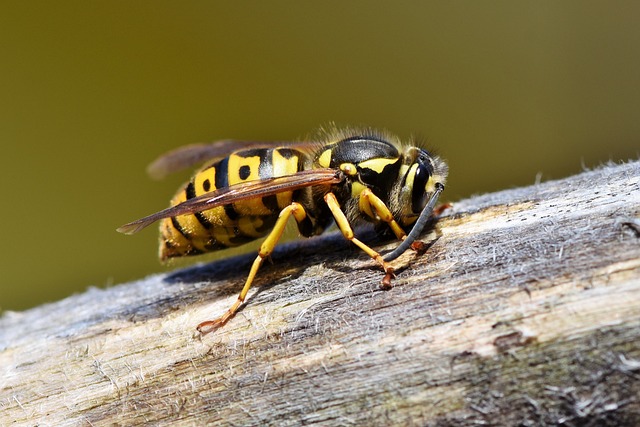
Recognizing Wasp Nests Early
Spotting a wasp nest before it grows too large gives you the advantage. Wasp colonies expand rapidly, particularly in spring and summer. Early detection minimizes risk and makes removal safer.
Look for the following signs:
- Increased activity: More wasps hovering near one area, especially under roof edges or tree limbs
- Visible nest structure: Grey, papery material shaped like a football or cone
- Buzzing sounds: Low humming near walls, vents, or shrubbery
- Entrance points: Wasps flying in and out of specific cracks or gaps repeatedly
Different species build nests in different places. Some prefer open, elevated spots, while others burrow underground or inside wall voids. Regardless of location, avoid approaching the nest closely. Disturbing it can trigger an immediate swarm response.
Best Time of Day and Season for Removal
Timing matters greatly when it comes to wasp control. Early morning or late evening, when temperatures are cooler and wasps are less active, offers the safest window for removal. But beyond daily routines, seasonal timing plays an even bigger role.
For instance, wasp colonies are smallest and least defensive in early spring when the queen first starts building. By mid-summer, the population can reach hundreds, and the danger of stings increases significantly.
If you’re unsure of the nest’s age or size, err on the side of caution. Also, consider the risks of tackling nests alone, especially if you’re allergic or unsure about the species’ behavior. As discussed in this helpful guide on DIY pest control pitfalls, many removal efforts go wrong due to misjudged timing or incomplete nest destruction.
Safety Equipment and Precautions
If any removal attempt is made, the right protective gear is non-negotiable. Wasps are territorial and fast to respond to perceived threats. Without adequate barriers, a swarm can cause serious injury.
Before you approach a nest, always:
- Wear thick clothing: Long sleeves, pants, gloves, and a tightly secured hood or hat
- Use eye protection: Safety goggles or a full-face shield
- Avoid scented products: Perfumes and soaps can agitate wasps
- Keep escape routes open: Plan your path in case of a sudden reaction
For those planning to use insecticidal sprays or foams, be mindful of wind direction and distance. Sprays should be applied from several feet away using extended nozzles, ideally with a second person standing by in case of emergency.
However, this is not a one-size-fits-all solution. Certain nests, especially those located inside walls or underground, require a different approach or professional-grade tools.
What Not to Do When Removing Wasps
Removing a wasp nest is not a casual chore. Some missteps can escalate the danger or create lasting issues around your home.
Avoid these common mistakes:
- Do not use fire or water: Burning or flooding a nest is extremely hazardous and ineffective
- Do not attempt removal during the day: Wasps are most alert and defensive in full sun
- Do not smash the nest: Physical contact may leave behind pheromones that attract more wasps
- Do not rely on DIY traps: Traps may catch a few, but they won’t eliminate the colony
Improper removal also leaves behind nest material that can attract returning queens. After the active colony is gone, clean the area thoroughly and seal entry points to prevent future infestations. For more seasonal insights into wasp life cycles, see this breakdown on wasp hibernation and nesting behavior.
When to Call in the Experts
Not every wasp nest can be removed safely by a homeowner. Large, hidden, or recurring nests often need specialized treatment. Professionals are trained in identification, safe exclusion, and permanent prevention methods.
Here’s how professional help makes a difference:
- Accurate species ID: Yellow jackets vs. paper wasps require different tactics
- Specialized tools: Dusts, traps, or foams not available to consumers
- Complete removal: Including queen, brood, and pheromone trails
- Prevention advice: Tips on landscaping, sealing, and environmental factors
Attempting removal without training may create more problems than it solves. By contrast, licensed pest control teams reduce risk, handle infestations discreetly, and restore peace of mind.
Your Safer, Smarter Next Step
Don’t let a wasp nest put your safety at risk. If you suspect a colony is growing near your home, it’s time to bring in expert help. Contact United States Pest Service for responsible, professional wasp removal that protects both your property and your peace of mind.