
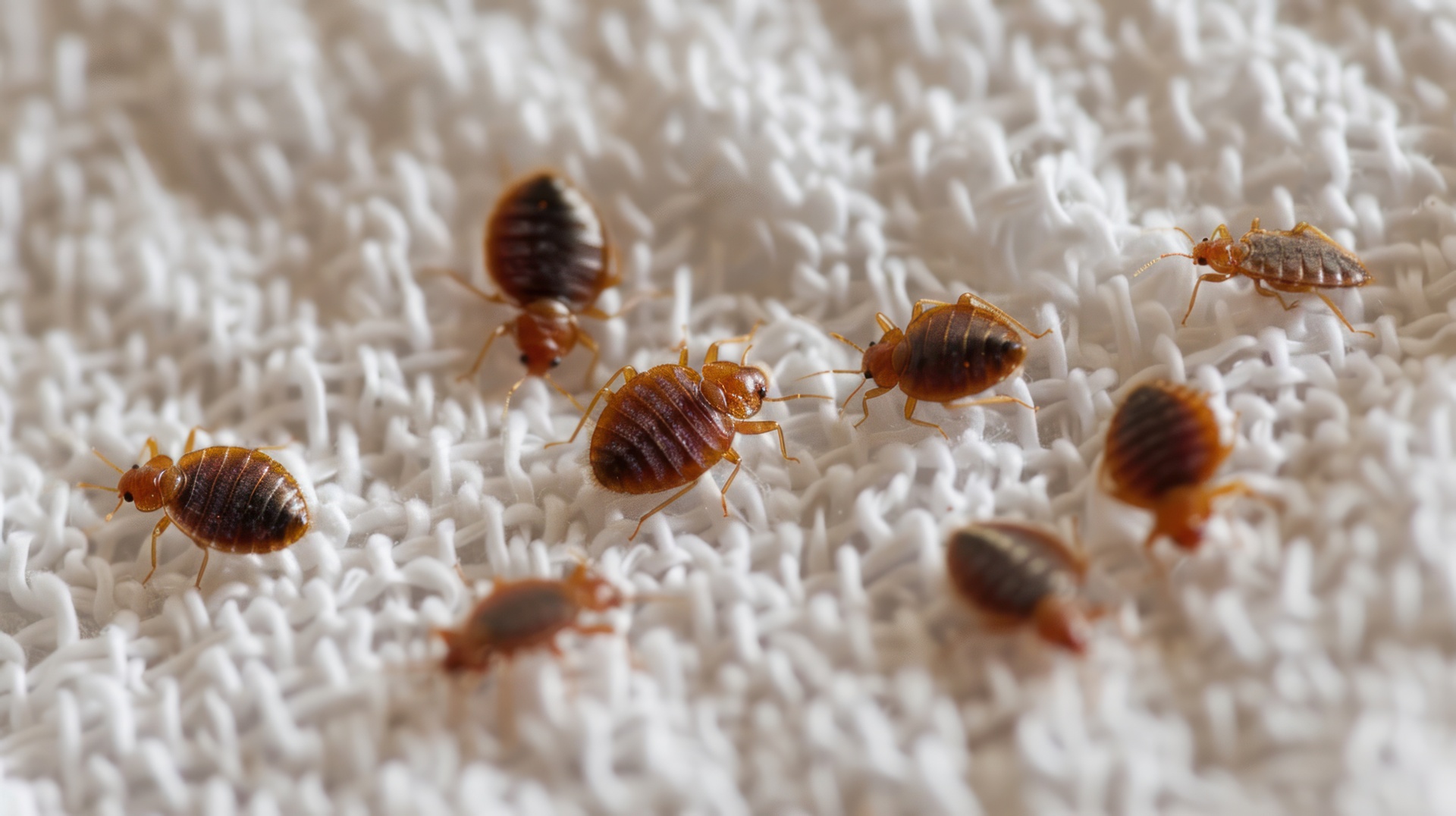
A mattress is one of the first places people check when bed bugs are suspected, but cleaning the mattress alone does not address the full infestation. Bed bugs can hide in seams, bed frames, furniture, baseboards, wall gaps, and other protected areas close to where people rest. Eggs and immature stages may also remain out of sight even when the sleeping surface looks clean.
A bed bug problem is therefore a whole-room issue, not simply a mattress issue. Professional control begins with inspection, accurate identification, and an understanding of how far activity has spread. That broader approach is important because removing visible bugs from bedding may create temporary relief while hidden insects continue feeding, reproducing, and moving into nearby spaces.
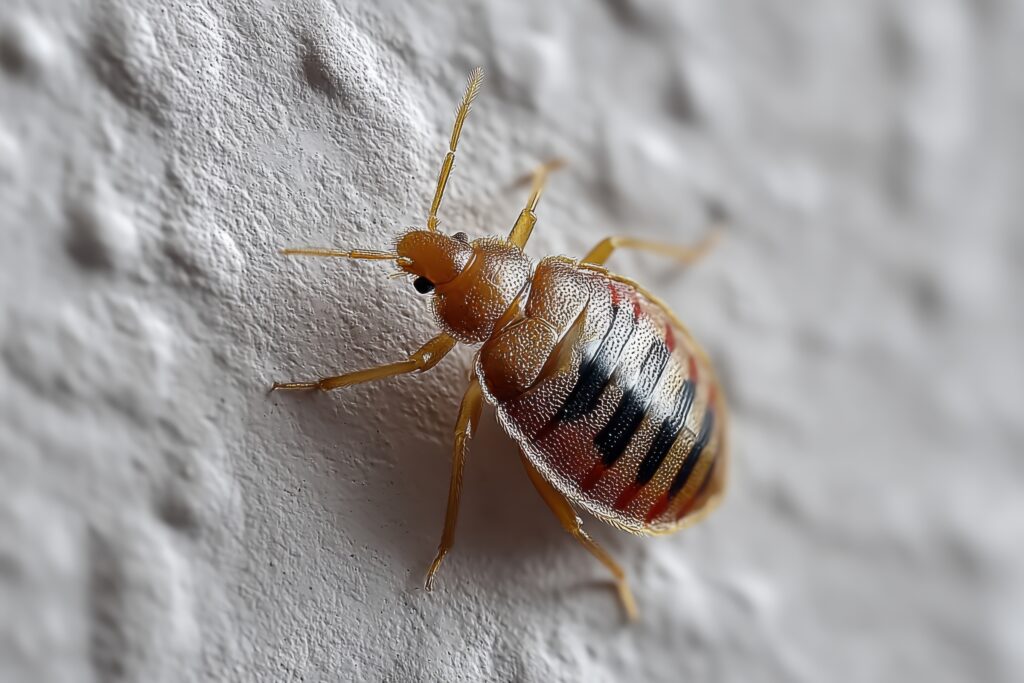
Bed Bugs Commonly Hide Beyond The Mattress
Bed bugs prefer narrow, protected areas where they can stay close to a host without being disturbed. Mattress seams are common hiding places, but they are only one part of the environment. Once an infestation becomes established, bugs may occupy several nearby structures and furnishings.
Common hiding areas include:
- Bed-frame joints, headboards, and box springs close to sleeping areas
- Upholstered chairs, sofas, and fabric seams where people rest
- Baseboards, trim, flooring edges, and cracks along wall surfaces
- Nightstands, dressers, luggage, and stored belongings near the bed
- Gaps around shared walls or adjoining rooms in multi-unit buildings
This hiding behavior is one reason bed bugs persist even when the mattress receives attention. A cleaned surface may look improved while insects remain protected several feet away.
Professional inspection helps determine whether activity is limited to the bed or has spread into furniture and structural gaps. That distinction affects how treatment is planned and which areas need follow-up.
Eggs And Hidden Life Stages Can Restart Activity
Another difficulty is that an infestation contains more than visible adult bed bugs. Eggs, nymphs, and adults can be present at the same time, and different life stages may occupy different hiding places. Cleaning a mattress may remove some visible evidence without reaching protected eggs or insects in nearby cracks.
Important reasons activity can return include:
- Eggs remaining attached inside furniture joints, seams, or narrow crevices
- Newly hatched nymphs appearing after adult activity seems to decline
- Untreated furniture continuing to support hidden bed bug populations
- Clutter creating additional folds, seams, and protected harborage areas
- Adjoining rooms or apartments contributing to recurring movement
This is why one-time treatment is often unreliable. Professional bed bug control may involve targeted heat, mattress-safe products, crack-and-crevice applications, and repeat inspections based on the size and location of the infestation.
Follow-up matters because a room can appear quiet before the infestation is fully resolved. Rechecking treated areas helps determine whether new activity is coming from surviving eggs, missed hiding places, or movement from another location.
A Complete Treatment Plan Addresses The Entire Room
A successful response has to account for where bed bugs live, how they spread, and what areas are at risk of reinfestation. In apartments and closely connected homes, this may include adjacent rooms or units when evidence suggests movement through shared spaces.
Professional treatment may involve:
- Inspecting mattresses, furniture, baseboards, and nearby wall or floor gaps
- Identifying live bugs, spotting, eggs, and shed skins before treatment begins
- Selecting treatment methods based on infestation size and room conditions
- Treating confirmed hiding areas instead of focusing only on visible surfaces
- Returning for follow-up inspections and additional treatment when needed
For apartment residents, guidance on apartment bed bug control shows why shared walls, nearby units, and untreated belongings can complicate elimination. Mattress cleaning cannot account for those wider pathways.
Clutter can also make treatment less efficient by blocking access to baseboards and creating more places for bugs to hide. Professional preparation instructions help make affected areas accessible without encouraging unnecessary movement of infested belongings from room to room.
The goal is not simply to make the mattress look clean. It is to eliminate active bed bugs, reach concealed life stages, and verify through follow-up that activity has stopped. That requires a treatment plan based on evidence from the full sleeping area and surrounding spaces.
Professional oversight is particularly valuable when bites continue, spotting reappears, or live bugs are found after cleaning. Those signs suggest that the source is broader than the mattress itself. A detailed inspection can show whether bed bugs have spread into furniture, trim, flooring gaps, or adjoining rooms.
Bed bugs are difficult because they combine small size, strong hiding behavior, multiple life stages, and the ability to hitchhike on clothing, luggage, and furniture. Mattress cleaning may remove dirt, stains, or a few visible insects, but it does not address those biological and structural factors.
Long-term success depends on precision. Inspection defines the infestation, treatment targets confirmed harborages, and follow-up checks whether the population has truly been eliminated. Treating the room as a connected environment provides a much stronger path to resolution than concentrating on the mattress alone.
Treat The Infestation, Not Just The Mattress
If you are dealing with a recurring bed bug problem, contact United States Pest Service for professional inspection, targeted treatment, and follow-up designed to address hidden activity throughout the affected area.