
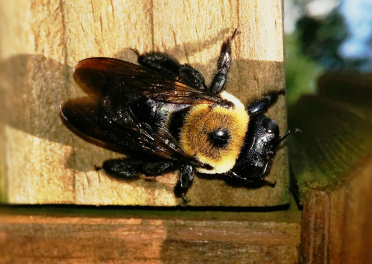
Bee activity around a home can look straightforward from a distance, but the visible insects rarely tell the whole story. Bees may be entering through roof edges, wall gaps, porch structures, fences, sheds, or other protected areas, and the nest itself may be hidden from view. Proper inspection should come before bee removal.
A professional evaluation helps identify the species, locate the nest, understand flight paths, and determine whether the colony can be removed or relocated safely. It also helps distinguish bees from wasps, hornets, and yellow jackets, which require different control strategies. Careful identification reduces disturbance and makes the next step more precise.
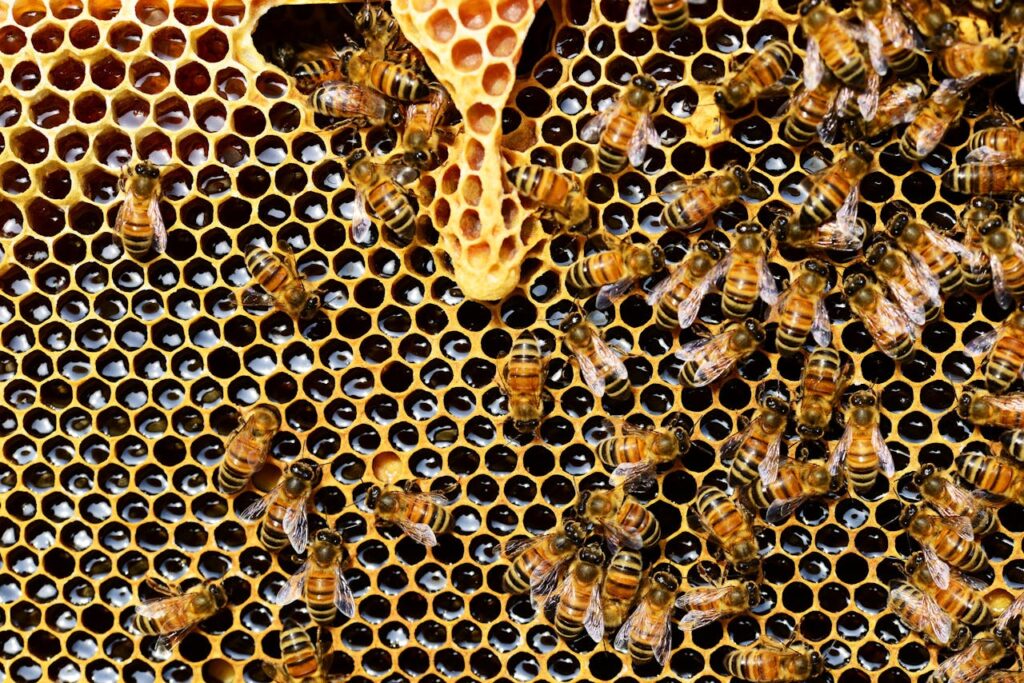
Species Identification Guides The Entire Removal Plan
Not every bee behaves the same way or nests in the same place. Carpenter bees, for example, tunnel into wood rather than building an exposed hive. Other bees may establish colonies inside wall voids, roof spaces, or sheltered exterior areas.
During an inspection, technicians may evaluate:
- Flight patterns around eaves, walls, sheds, and fences
- Nest entrances or repeated activity around one opening
- Round holes or wood damage linked to carpenter bees
- Buzzing or movement coming from concealed structural spaces
- Swarming behavior near roofs, porches, or exterior walls
- Nearby wasp, hornet, or yellow-jacket activity that could be mistaken for bees
Understanding carpenter bee behavior is especially useful when activity centers on decks, trim, railings, or other exposed wood. Correct identification helps determine whether the problem involves tunneling, a hive, or another type of stinging insect entirely.
Nest Location Matters Before Any Treatment Begins
Bee removal is safer and more effective when the nest location is confirmed before treatment. A swarm outside a wall does not necessarily mean the colony is exposed. Bees may be using a small opening to reach a much larger cavity inside the structure.
Professional technicians follow flight routes and inspect likely nesting areas without unnecessarily provoking the colony. Once the nest is located, they can choose a controlled approach that considers people, pets, pollinators, and the building itself.
This step also helps avoid incomplete removal. Treating only the visible entrance may leave comb, nesting material, or active bees deeper inside. In some situations, the colony may be relocated. In others, a different removal method may be necessary depending on location, accessibility, and safety.
Inspection Helps Reveal Structural And Safety Risks
Bee activity can affect more than the immediate nesting area. Hidden colonies may occupy spaces that are difficult to access, while carpenter bees can repeatedly tunnel into wood and expand existing galleries.
A thorough inspection may uncover:
- Nesting inside attics, wall cavities, or roof spaces
- Wood damage around decks, trim, fences, or railings
- Openings that allow repeated access into the structure
- Honeycomb or residue that may attract future activity
- High-traffic areas where stinging risk is greater
- Conditions that make future nesting more likely
These details influence how bee removal should be planned. A nest beside a quiet shed presents different concerns from one near a doorway, play area, business entrance, or frequently used patio. Professional inspection helps prioritize both removal and property protection.
Nearby Stinging Insects Can Complicate The Situation
Homeowners may refer to any flying, stinging insect as a bee, but wasps, hornets, and yellow jackets can nest in very different locations and may respond differently when disturbed. That makes inspection especially important before any removal decision.
A review of stinging insect nests shows why eaves, thick shrubs, attics, siding, and other protected areas deserve close attention. Identifying the insect first allows the treatment plan to match the actual species and nesting behavior.
Professionals also evaluate how close the activity is to people and animals. A nest near a walkway, entrance, or work area may require faster attention because accidental disturbance is more likely. The goal is to resolve the problem while minimizing unnecessary contact and avoiding incomplete treatment.
Removal Should Include Cleanup And Future Prevention
Bee removal is not complete simply because visible activity stops. Once the colony or nest has been addressed, the area should be checked for conditions that could encourage another infestation.
A complete plan may include:
- Removing accessible hive or nesting material when appropriate
- Cleaning residue that may attract future colonies
- Sealing confirmed entry holes after removal is complete
- Checking nearby wood or structural areas for additional activity
- Using targeted preventive measures in vulnerable locations
- Scheduling follow-up when bee activity continues or returns
Professional bee removal adds value because the inspection, removal, cleanup, and prevention steps are connected. Technicians can confirm that the correct species was addressed, the active nest was located, and the access point is not sealed prematurely.
That process is especially important when bees are inside walls, roofs, or other concealed spaces. A careful inspection reduces guesswork and helps protect both the structure and the people using it. When identification and nest location come first, removal becomes safer, more focused, and better suited to long-term prevention.
Resolve Bee Activity With A Clear Plan
If bees are nesting near your home or business, contact United States Pest Service for professional inspection, bee removal, hive management, and prevention based on the activity present.