
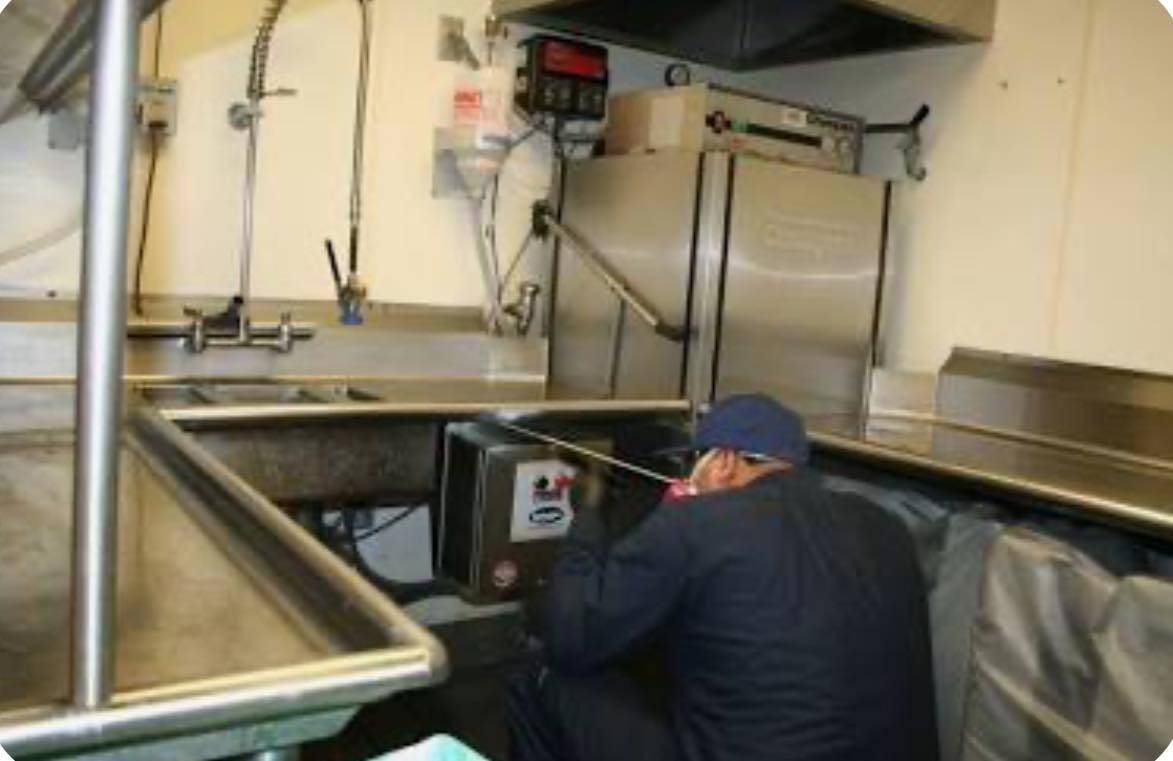
Summer pest activity around Middletown homes often rises because heat, humidity, rainfall, food sources, and open entry points start working together. A home that felt quiet in spring can suddenly show ant trails, mosquitoes near the yard, cockroaches in the kitchen, fleas around pets, flies near trash, or spiders in basements and garages. Rodents, ticks, stinging insects, stink bugs, termites, bed bugs, bats, and bees may also become more noticeable as seasonal conditions change.
The increase is not random. Pests respond to comfort, moisture, shelter, and access. When those conditions build around the property, activity can move from the yard to the foundation, then into living spaces. Professional inspection helps determine whether the issue is isolated or part of a larger seasonal pattern.

Heat Speeds Up Movement And Reproduction
Warm weather helps many pests move, feed, and reproduce more actively. Ants expand trails, mosquitoes develop around water, flies multiply near organic matter, and cockroaches search for humid hiding areas. Rodents may also use shaded exterior routes as they look for food and shelter.
- Ants may travel farther when colonies need more food and water.
- Mosquitoes can develop faster when warmth and standing water combine.
- Cockroaches often seek cooler, darker areas inside kitchens and bathrooms.
- Flies may increase near trash, drains, pet areas, and outdoor food residue.
This is why summer pest sightings can seem sudden. The conditions were building first. The visible activity is often the point when the problem becomes harder to ignore.
Clutter Gives Pests Places To Hide
Clutter can make summer pest problems harder to detect and easier for pests to use. Storage boxes, basement items, garage piles, yard debris, stacked materials, and crowded utility rooms create protected spaces where pests can hide, travel, or nest. These areas can also make inspection more difficult.
A closer look at summer clutter explains why hidden storage and crowded indoor areas can support pest activity. Ants, cockroaches, spiders, rodents, fleas, flies, stink bugs, bed bugs, and other pests may use clutter as cover while the main source remains unnoticed.
Professional service helps identify whether clutter is only a shelter issue or whether it is connected to moisture, food, nesting material, or entry points. That distinction matters because different pests need different treatment plans.
Moisture Draws Pests Closer
Humidity, summer storms, irrigation, condensation, and drainage problems can attract pests around Middletown properties. Many pests need moisture to survive, and damp areas often support several pest types at once. Basements, crawl-space edges, bathrooms, kitchens, gutters, shaded soil, and exterior foundation lines should be taken seriously when pest pressure increases.
- Damp basements can attract spiders, cockroaches, ants, and rodents.
- Standing water can support mosquitoes and flies near outdoor spaces.
- Leaky pipes may keep roaches and ants active indoors.
- Wet leaf litter can shelter ticks, fleas, and other yard pests.
Moisture is especially important because it often stays hidden. A professional inspection can connect repeated sightings with the water sources or damp materials that keep pests returning.
Eco-Friendly Service Still Needs Preparation
Many homeowners prefer eco-conscious service options, especially when children, pets, gardens, or high-use living spaces are involved. However, eco-friendly treatment works best when the property is ready for inspection and targeted service. Preparation helps technicians see access points, activity zones, and pest-supporting conditions more clearly.
Guidance on treatment preparation shows why planning matters before service. Moving small items, noting sightings, making key areas accessible, and sharing recent pest history can improve accuracy without encouraging unnecessary product use.
Preparation also supports safer, more precise service. Instead of treating every area the same way, technicians can focus on where ants, mosquitoes, cockroaches, fleas, flies, rodents, spiders, ticks, termites, bed bugs, bees, bats, stinging insects, or stink bugs are most likely active.
Entry Points Turn Outdoor Pressure Indoors
Summer pest pressure often begins outside, but entry points allow it to become an indoor problem. Gaps around doors, windows, vents, utility lines, garage seals, siding, rooflines, and foundation cracks can all give pests a route inside. Once pests find food, water, or shelter, they may continue using the same path.
- Door thresholds can allow ants, cockroaches, spiders, and stink bugs indoors.
- Utility openings can create hidden routes for insects and rodents.
- Damaged screens may let flies, mosquitoes, or stinging insects enter.
- Roofline gaps can matter for bats, bees, and other structural pests.
Long-term protection depends on knowing which openings are active and which conditions are attracting pests to those areas. A professional plan can evaluate the full property rather than reacting only to the latest sighting.
Summer pest activity around Middletown homes is best managed by understanding the source. Heat, moisture, clutter, food, and entry points all work together. When these factors are inspected and addressed early, homeowners can reduce repeat infestations and protect comfort through the warmest months.
Stay Ahead Of Summer Pest Pressure
For pest activity that keeps returning around your home, contact United States Pest Service for professional support focused on inspection, targeted treatment, eco-conscious planning, and long-term protection.