
As temperatures begin to rise in spring, pest activity increases across residential and commercial properties. Warmer weather encourages insects and rodents to search for food, water, and shelter after the colder winter months. In Middletown and surrounding areas, seasonal changes create ideal conditions for certain pests to emerge and become more visible.
Spring pests often appear when moisture levels increase and vegetation begins to grow. Gardens, lawns, and building foundations can provide the shelter and resources many pests need to thrive. Recognizing which pests become active during this time helps property owners stay alert and address potential issues early.
Understanding seasonal pest patterns is an important step toward maintaining a healthy and comfortable environment around homes and businesses.
Why Pest Activity Increases During Spring
Spring provides favorable environmental conditions for many insects and small animals. Warmer temperatures stimulate breeding cycles and encourage pests to leave their winter hiding spots.
Moisture from seasonal rain, melting snow, and irrigation also contributes to increased pest activity. Damp environments support the survival of insects and create ideal nesting conditions.
Several environmental factors influence the rise of spring pests:
- Rising temperatures that encourage insect reproduction
- Increased rainfall that creates moist habitats
- Growing vegetation that offers shelter and food sources
- Accumulated organic debris that attracts insects
- Buildings that provide warmth and entry points for pests
These seasonal conditions allow pest populations to grow rapidly if they are not monitored. Early awareness helps reduce the likelihood of infestations later in the season.
Ants Become Highly Active In Spring
Ants are among the most common spring pests observed around Middletown. As temperatures rise, ant colonies become active again after winter dormancy. Worker ants begin searching for food sources, which often leads them into homes and commercial buildings.
Ants typically enter through small cracks in foundations, walls, or window frames. Once inside, they search for sugary foods, crumbs, and moisture.
Signs of ant activity may include:
- Trails of ants moving along floors or walls
- Small piles of soil near cracks or entry points
- Ants gathering near kitchen sinks or food storage areas
- Outdoor ant mounds appearing in lawns or gardens
- Increased activity during warm daytime temperatures
Although individual ants may seem harmless, colonies can expand quickly. Monitoring early signs of ant activity helps prevent larger infestations later in the season.
Termites Begin Swarming During Warmer Months
Spring is also the time when termite swarms often occur. These swarms happen when reproductive termites leave established colonies to start new ones. The appearance of winged termites near windows or doors may signal nearby termite activity.
Termites are especially concerning because they feed on wood and structural materials. Over time, colonies can cause significant damage to buildings if left untreated.
Common signs of termite activity include:
- Swarms of winged termites emerging indoors or outdoors
- Discarded wings near windowsills or light fixtures
- Mud tubes along foundations or crawl spaces
- Hollow-sounding wood when tapped
- Small piles of wood debris near structural components
Because termite activity often remains hidden inside walls or foundations, professional inspections are essential for accurate detection.
Rodents And Other Wildlife Become More Visible
Spring weather also encourages rodents and other small animals to search for food and nesting sites. Mice and rats may enter buildings through small openings around foundations, vents, and utility lines.
Rodents can cause damage by chewing materials and contaminating stored food. They may also introduce parasites or bacteria into indoor environments.
Signs of rodent activity often include:
- Droppings found near food storage areas or cabinets
- Scratching noises coming from walls or ceilings
- Chewed packaging or wires
- Grease marks along baseboards where rodents travel
- Small entry holes around foundations or utility openings
Rodent activity tends to increase when outdoor food sources become available in gardens, trash areas, or storage spaces.
Professional monitoring programs often focus on detecting these early warning signs before rodent populations expand.
Moisture-Related Pests Thrive In Spring Conditions
Moisture is a key factor that attracts many spring pests. Insects such as cockroaches, termites, and ants often seek out damp environments where water is available.
Spring rainfall, irrigation systems, and poor drainage can create moisture problems around homes and businesses. These conditions encourage pest activity both indoors and outdoors.
Moisture-related pest risks often develop when:
- Gutters become clogged and overflow near foundations
- Standing water forms near landscaping or walkways
- Leaking pipes create damp conditions inside buildings
- Basements or crawl spaces retain excess humidity
- Soil remains saturated near structural walls
Addressing moisture issues can significantly reduce pest activity. Information about moisture and pest activity explains how damp conditions encourage pest infestations during the spring season.
Monitoring these environmental factors helps limit the conditions that allow pests to thrive.
The Importance Of Early Pest Monitoring
Spring pests can multiply quickly once favorable conditions appear. Without early detection, small pest populations may expand into larger infestations that become more difficult to manage.
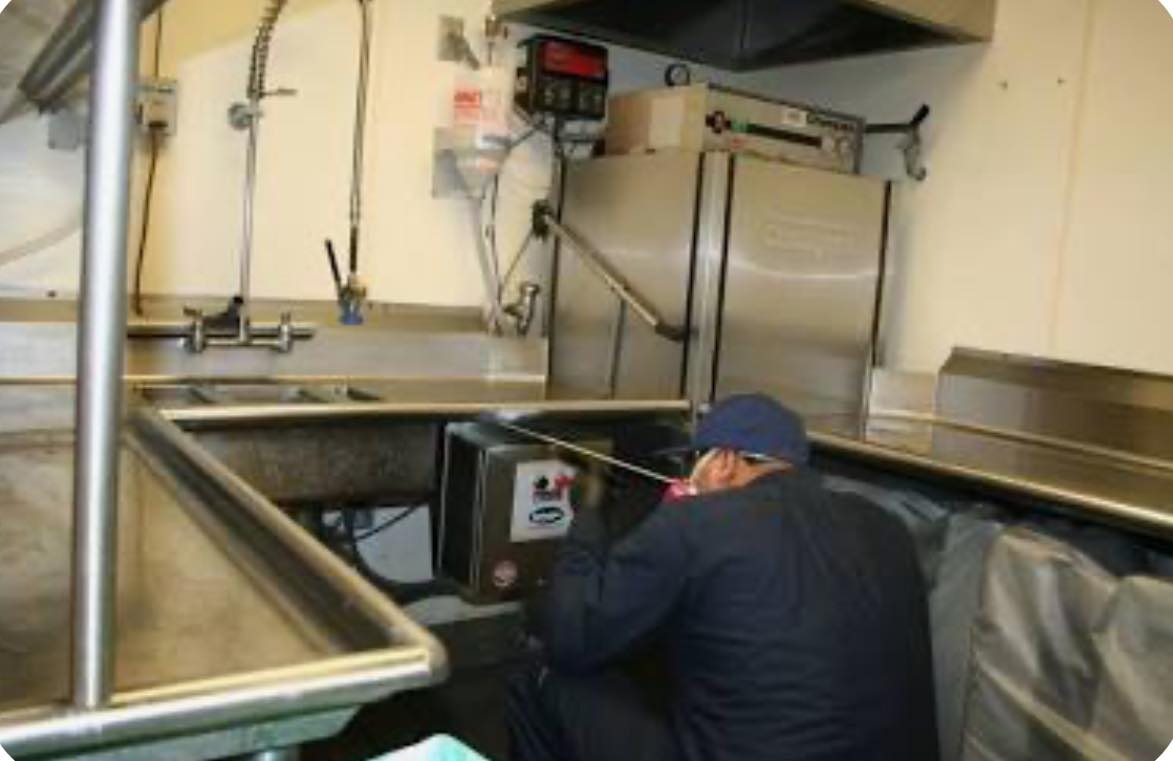
Professional pest monitoring provides valuable insight into pest activity before problems escalate. Routine inspections help identify entry points, environmental risks, and early signs of pest presence.
Monitoring programs typically focus on:
- Inspecting potential pest entry points around buildings
- Identifying environmental conditions that attract pests
- Tracking seasonal pest activity patterns
- Detecting early signs of infestation
- Recommending preventive measures for long-term control
Early detection allows property owners to respond quickly and reduce the likelihood of widespread pest problems. Guidance about professional pest monitoring benefits highlights how proactive inspections help protect homes and businesses throughout the year.
Stay Ahead Of Spring Pest Activity
Spring brings renewed activity for many pests around Middletown. Ants, termites, rodents, and other insects often emerge as temperatures rise and moisture levels increase.
Recognizing the early signs of spring pests helps property owners respond before infestations develop. Routine inspections and professional monitoring play an important role in maintaining a pest-free environment.For expert help identifying and managing seasonal pest activity, contact United States Pest Service to learn how professional pest management can protect your property throughout the spring season.