
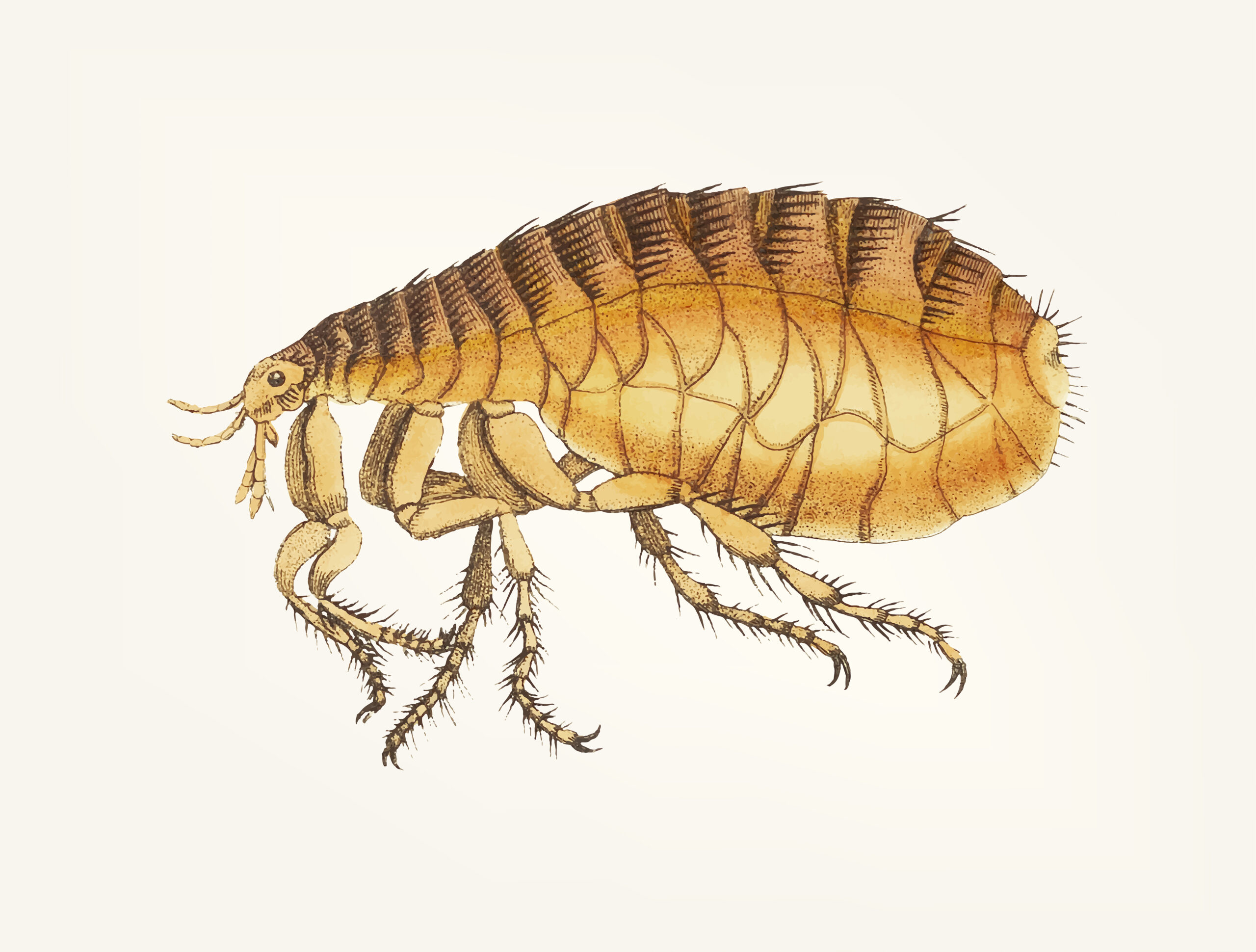
Summer gives pets more time to explore lawns, trails, patios, and shaded corners of the yard. Unfortunately, those same spaces can expose dogs and cats to fleas and ticks. Warm weather speeds up pest activity, wildlife moves more often, and outdoor moisture can support hidden breeding or resting areas around the home.
Protecting pets during summer requires more than reacting after bites appear. Fleas can reproduce indoors once they are carried inside, while ticks may attach quietly and travel on fur, collars, paws, or bedding. A careful pest control plan looks at the pet’s routine, the yard, indoor resting areas, and seasonal pest pressure together.
Outdoor Habitats Increase Summer Exposure
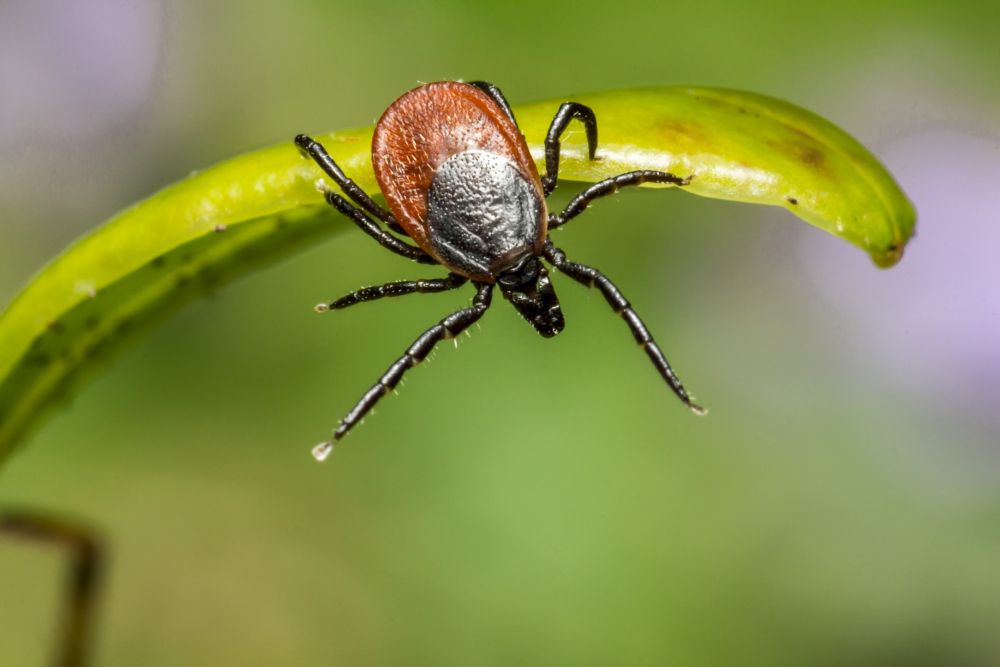
Fleas and ticks prefer protected areas where they can survive heat and wait for a host. Pets are naturally drawn to these same places because they are cooler, shaded, or interesting to explore. Fence lines, shrubs, tall grass, woodpiles, leaf litter, and damp soil can all increase exposure.
- Shaded areas can hold moisture and help fleas survive longer.
- Tall grass and brush give ticks a place to wait for passing hosts.
- Pet paths along fences or hedges can create repeated exposure points.
- Yard debris can shelter fleas, ticks, ants, spiders, rodents, and other pests.
When pets visit these areas daily, pest contact can happen before anyone notices. Professional inspection helps identify which parts of the property are most likely contributing to recurring pressure.
Pets Can Bring Fleas And Ticks Indoors
A dog or cat may pick up pests during a walk, a trip to the groomer, boarding, outdoor play, or a few minutes in the backyard. Once inside, fleas can fall into rugs, furniture, crates, and pet bedding. Ticks may remain attached, crawl to another location, or be found later on floors or fabric.
Indoor conditions can make flea problems especially persistent. Eggs and larvae may settle into soft surfaces where they are difficult to see. This is one reason a home can seem clean while pets continue scratching or biting at irritated skin.
Clutter can make inspection harder because pests have more places to hide. A discussion of indoor pest clutter explains why stored items, fabric piles, and low-traffic areas can complicate summer pest concerns. Pet bedding, blankets, and favorite resting spots deserve the same level of attention.
Wildlife Can Keep Pressure Returning
Fleas and ticks do not depend only on household pets. Wildlife can bring them into yards, crawl spaces, sheds, gardens, and wooded edges. Rodents, bats, birds, squirrels, raccoons, and other animals may pass through quietly, leaving pests behind in areas pets later use.
- Rodents can carry fleas and ticks near foundations, garages, and sheds.
- Birds and small mammals may spread pests through shrubs and landscape beds.
- Wildlife trails can connect neighboring yards and shared green spaces.
- Stinging insects, mosquitoes, flies, ants, cockroaches, termites, and bed bugs may also reflect broader pest pressure.
This overlap matters because treating only the pet does not always address the property. If host animals continue moving through the yard, fleas and ticks can remain a seasonal problem. Professional evaluation helps connect animal activity, pest pressure, and possible exterior source areas.
Summer Routines Require More Structure
During summer, families often change how they use the home. Pets spend longer outdoors, children play in the yard, guests visit, and doors open more frequently. These normal routines can make pest movement easier. They can also make signs harder to trace because activity happens in several places.
A seasonal plan should consider timing. Spring preparation often influences summer results because pests become more active as temperatures rise. A thoughtful spring pest plan can help address entry points, outdoor conditions, and early pest activity before pressure peaks.
Professionals look at the whole pattern: where pets rest, where they travel, what outdoor zones stay shaded, and whether pests are entering from nearby habitats. That broader view supports safer, more efficient prevention.
Early Signs Should Not Be Ignored
Pets may show discomfort before people see the pest. Scratching, licking, biting, restlessness, red skin, or sudden avoidance of certain resting areas can all signal concern. Ticks may be found attached near ears, necks, toes, or under collars, while fleas may leave small dark specks or repeated bites.
- Check pet bedding, rugs, furniture, and crates when scratching increases.
- Watch for tick sightings after walks, boarding, or time in tall grass.
- Note whether bites or irritation affect people after pets come indoors.
- Schedule professional help when signs repeat despite routine pet care.
Summer flea and tick protection works best when pet care and property care support each other. A professional pest control plan can reduce exposure around the yard, address hidden indoor activity, and help families respond before the issue grows.
Keep Summer Safer For Every Paw
For reliable protection against fleas, ticks, mosquitoes, and other common household pests, contact United States Pest Service.