
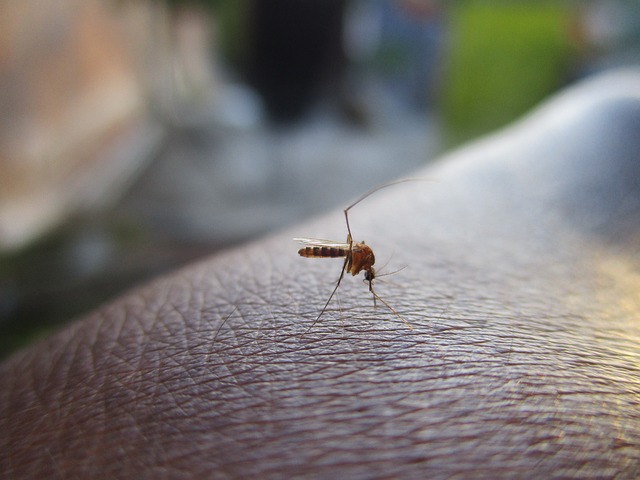
Outdoor living spaces are meant for relaxing, dining, playing, and gathering, but mosquitoes can quickly change how those areas feel. A patio that should be comfortable in the evening can become difficult to enjoy when bites, buzzing, and repeated swarms interrupt every moment outside. During warm, humid months, mosquitoes may breed quickly and settle around yards, decks, shaded landscaping, and water-holding areas.
Effective mosquito control helps protect more than comfort. It supports safer use of the yard for children, pets, guests, and homeowners who want to spend time outside without constantly retreating indoors. Because mosquitoes often develop in hidden areas, a thoughtful approach looks beyond the obvious flying adults and addresses the conditions that keep activity returning. That wider view also helps prevent wasted effort on areas that are visible but not actually supporting the problem.
Mosquitoes Need Water To Reproduce
Mosquito activity usually begins with standing water. Even small amounts can support breeding if they sit long enough. Around homes, water may collect in places that are easy to miss, especially after rain, irrigation, or routine outdoor use.
- Gutters can hold water when leaves and debris block drainage.
- Plant saucers, buckets, toys, and outdoor containers can become breeding sites.
- Birdbaths, fountains, and decorative features need consistent attention.
- Low spots in the yard can stay damp after storms or heavy watering.
Removing water sources helps reduce pressure, but it may not solve the full issue when mosquitoes are already resting in vegetation or moving in from nearby properties. Professional service helps identify the main breeding and resting zones so treatment can be more targeted.
Shaded Resting Areas Keep Mosquitoes Close
Mosquitoes do not stay active in open sunlight all day. They often rest in shaded, humid areas until people or pets become available hosts. Dense shrubs, tall grass, tree canopies, under-deck spaces, fence lines, and overgrown edges can all provide daytime shelter.
Large properties can be especially challenging because mosquito activity may come from several zones at once. A discussion of mosquito foggers explains why equipment choice and coverage matter, but fogging alone is usually not enough for long-term results. The surrounding property conditions still need to be considered.
A professional inspection can separate breeding sites from resting areas. That distinction matters because treating only one part of the problem may leave outdoor spaces uncomfortable within days.
Outdoor Living Areas Increase Exposure
Patios, decks, pools, gardens, fire pits, and play areas bring people into the same spaces where mosquitoes may be active. Evening gatherings are especially vulnerable because many mosquito species become more noticeable around dusk. Food, lights, shade, water features, and nearby vegetation can all increase exposure.
- Seating near shrubs or damp areas may place guests closer to resting mosquitoes.
- Outdoor kitchens and dining spaces often keep people in one spot longer.
- Pool areas may have drains, covers, toys, or landscaping that hold moisture.
- Pet areas can become high-use zones where mosquitoes repeatedly feed.
Mosquito control helps make these areas more usable by reducing the population around the places where people actually gather. It also helps homeowners think about the yard as a full system, not only a patio or one water source.
Children And Pets Need Extra Protection
Children and pets spend time close to grass, shade, and play surfaces, which can increase mosquito exposure. Kids may not notice bites right away, and pets can attract mosquitoes while resting outdoors. Families often need outdoor spaces that feel comfortable without requiring constant interruptions.
Practical routines matter, especially during peak activity. Guidance on kids and bites highlights why home-based prevention should include awareness of play areas, yard conditions, and consistent protection. Professional service adds another layer by reducing mosquitoes where children and pets spend the most time.
This is also where broader pest knowledge can help. Homes may face ants, bats, bees, bed bugs, cockroaches, fleas, flies, rodents, termites, and mosquitoes, each with different habits. Treating the right pest in the right location keeps the plan focused and efficient.
Long-Term Comfort Requires Consistent Attention
Mosquitoes can rebound quickly when weather, moisture, and vegetation remain favorable. A one-time response may reduce visible activity, but long-term comfort depends on repeated observation and property-specific prevention. The best results come from combining source reduction, targeted treatment, and adjustments to outdoor conditions.
- Monitor water-holding items after rain, irrigation, or outdoor events.
- Trim dense growth where mosquitoes rest during the day.
- Keep gutters, drains, and low areas functioning properly.
- Schedule a professional evaluation when bites or swarms return quickly.
Outdoor living spaces are an extension of the home. When mosquitoes take over, families lose valuable space for meals, play, rest, and entertaining. A steady mosquito control plan helps protect that investment by reducing breeding, resting, and feeding opportunities around the property.
Enjoy The Yard More Often
For mosquito control, residential pest control, commercial pest control, and targeted support for common pest concerns, contact United States Pest Service.