
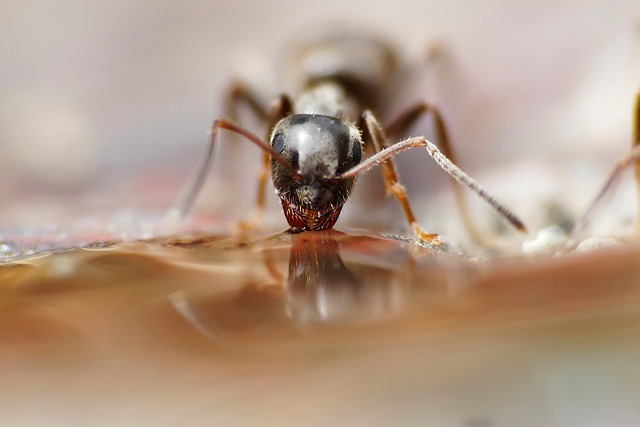
Carpenter bees become noticeable around homes during warm weather, when adults emerge, mate, search for nesting sites, and begin tunneling into exposed wood. Their activity often centers on decks, fascia boards, porch railings, eaves, fences, sheds, and other wooden features that offer protection.
Unlike termites, carpenter bees do not eat wood for food. They excavate smooth tunnels where females create nesting chambers and raise young. Effective bee control begins with identifying active galleries, understanding why certain wood is attractive, and addressing conditions that encourage repeat nesting.

Warm Weather Triggers Nesting and Increased Activity
Carpenter bee activity rises as temperatures warm and daylight increases. Adults that survived in old galleries emerge, while females begin searching for suitable wood where they can create or reuse tunnels.
Common summer signs include:
- Round entry holes in exposed or weathered wood.
- Coarse sawdust collecting below active tunnel openings.
- Bees hovering around eaves, decks, railings, or trim.
- Dark staining beneath holes from waste or moisture.
- Repeated activity in the same wooden areas year after year.
Summer conditions also increase the activity of other pests around Middletown properties. This overview of summer pest pressure explains how heat, moisture, food sources, and entry points can make seasonal problems more noticeable.
Certain Types of Wood Are More Attractive
Carpenter bees often prefer bare, weathered, or unfinished wood because it is easier to excavate than hard, well-protected surfaces. Softwoods such as cedar, pine, redwood, and cypress may be especially appealing, although activity can occur in other materials.
The location matters too. Wood that stays sheltered from rain, receives warmth, and offers overhead protection can become a recurring target. Porch ceilings, soffits, decks, pergolas, trim boards, and fence rails may provide the combination of shelter and access that nesting females prefer.
A one-time response may not be enough when old galleries remain available. Carpenter bees can return to previously used tunnels or create new ones nearby, especially when the surrounding wood remains exposed.
Repeated Tunneling Can Weaken Wooden Features
One carpenter bee gallery may seem minor, but repeated nesting over several seasons can create more extensive damage. Females may lengthen old tunnels, branch into nearby wood, or establish new galleries close together.
A professional inspection may look for:
- Multiple entry holes in the same beam, railing, or trim board.
- Galleries that extend farther than the visible opening suggests.
- Woodpecker damage caused by birds searching for bee larvae.
- Moisture entering exposed tunnels and affecting nearby wood.
- Structural features showing repeated nesting over several seasons.
Damage is often gradual rather than sudden. That is why visible holes should be evaluated in context, especially when the same area has been active before.
Professional bee control can help determine whether the issue is isolated or part of an established nesting pattern.
Clutter and Stored Materials Can Hide Early Warning Signs
Carpenter bees usually target outdoor wood, but clutter can hinder inspection of decks, sheds, garages, porches, and storage areas where activity develops. Stacked items may block access to beams, railings, trim, and wall edges.
This discussion of hidden pest shelter shows how crowded spaces can conceal droppings, webs, gnaw marks, entry gaps, and other pest evidence. The same visibility problem can delay recognition of carpenter bee holes or sawdust around wooden structures.
A clearer inspection area makes it easier to identify:
- Fresh sawdust beneath active nesting holes.
- New damage in previously quiet areas.
- Reused galleries from earlier seasons.
- Nearby woodpecker activity around infested wood.
- Other structural conditions may need attention.
Early detection matters because carpenter bees can return to familiar nesting zones when the wood remains suitable.
Long-Term Bee Control Starts With the Whole Nesting Area
The strongest bee control plan looks beyond a single visible hole. Professionals inspect the surrounding wood, determine whether tunnels are active, evaluate the extent of nesting, and consider whether other sections of the property may also be vulnerable.
A complete approach may include:
- Identifying active carpenter bee galleries and nearby nesting pressure.
- Treating affected areas with methods suited to the location and activity.
- Evaluating whether damaged wood needs repair or replacement.
- Reducing exposed wood conditions that encourage repeat nesting.
- Monitoring previously affected areas during future warm seasons.
This whole-property view matters because carpenter bees may use several wooden features at once. A deck, fence, porch roof, shed, or fascia board can each become part of the same seasonal pattern.
Professional service also helps avoid confusion between carpenter bees and other stinging insects. Accurate identification matters because nesting behavior, treatment placement, and long-term prevention differ by species.
The goal is not simply to remove visible bees for the day. It is to address active galleries, reduce recurring pressure, and protect the wood that makes a home attractive to nesting females each summer.
Protect Your Wood Before Another Nesting Season Takes Hold
When carpenter bees keep returning to decks, trim, railings, or other exposed wood, early professional attention can help limit repeat damage. Contact United States Pest Service for professional bee control focused on inspection, targeted treatment, and long-term prevention.