
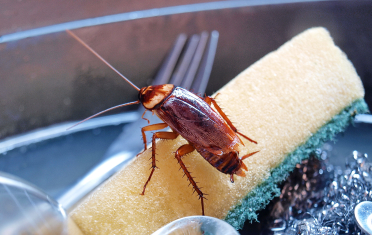
Cockroaches do not disappear when temperatures drop. Instead, cold weather often forces them deeper into buildings where warmth, moisture, and food remain available. From an expert perspective, winter is one of the most important seasons for cockroach control because activity becomes concentrated indoors, allowing infestations to persist quietly if left unmanaged.
Cold-weather conditions change how cockroaches behave. Rather than spreading across outdoor environments, populations cluster inside protected spaces such as kitchens, utility rooms, storage areas, and wall voids. This concentration makes infestations less visible but more stable. Understanding these seasonal shifts helps property owners take timely action before problems escalate.
Why cockroach activity increases indoors during winter
As outdoor temperatures fall, cockroaches seek stable environments that support survival. Buildings naturally provide warmth and shelter, especially in areas influenced by heating systems, appliances, and plumbing infrastructure.
Winter cockroach pressure increases because:
- Outdoor shelter options become limited
- Heating systems create consistent warm zones
- Indoor moisture remains accessible year-round
- Food sources are easier to reach indoors
These factors make residential and commercial interiors far more attractive during cold months. Even properties that appeared pest-free during warmer seasons may experience new activity as cockroaches relocate indoors and establish harborage near reliable resources.
Common winter harborage areas to monitor
Cold-weather infestations often begin in areas that remain warm, dark, and undisturbed. Cockroaches prefer tight, concealed spaces where they can stay close to food and water while avoiding human activity.
Professionals commonly inspect:
- Areas behind refrigerators, ovens, and dishwashers
- Cabinets near plumbing lines and drains
- Utility rooms and mechanical spaces
- Wall voids adjacent to heat sources
These zones allow cockroaches to remain active throughout winter with minimal exposure. Activity in these areas often goes unnoticed until populations increase significantly. Understanding the risks of small pest problems helps explain why even limited sightings should never be dismissed during colder months.
How cold weather changes cockroach movement patterns
Winter conditions alter how cockroaches travel and forage within structures. Instead of roaming broadly, they follow predictable routes tied closely to heat, moisture, and food availability.
Seasonal movement patterns often include:
- Concentration near heating appliances and pipes
- Reduced daytime visibility due to deeper hiding behavior
- Increased nighttime activity when spaces are quiet
- Expansion into storage rooms and low-traffic areas
These changes make infestations less obvious but more persistent. In environments with stored goods or food handling, cockroaches may establish nesting areas similar to those seen in commercial harborage sites, where warmth and resources remain consistent regardless of season.
Structural conditions that support winter infestations
Cold weather often exposes structural vulnerabilities that support cockroach survival. Small gaps, moisture buildup, and insulation voids can all become critical shelter zones once temperatures drop.
Contributing conditions may include:
- Cracks around baseboards or utility penetrations
- Condensation near heating ducts and pipes
- Poor ventilation in storage or utility spaces
- Accumulated clutter that provides concealment
Because cockroaches are highly adaptable, they exploit these conditions quickly. Once harborage is established, populations can persist through winter without obvious signs. Professional assessments focus on identifying these hidden vulnerabilities rather than waiting for visible activity.
Preventive steps that support winter cockroach control
Winter prevention focuses on limiting access, reducing attractants, and maintaining clean, dry environments. While sanitation is essential, effective prevention requires consistency and attention to structural detail.
Key preventive measures include:
- Reducing excess moisture near sinks, drains, and equipment
- Securing food storage areas and eliminating residue
- Maintaining sealed waste and recycling systems
- Monitoring warm, low-traffic zones regularly
These actions reduce conditions that support survival during cold months. However, prevention alone may not eliminate infestations that have already established concealed harborage indoors.
Why professional strategies are more effective in winter
Cold-weather cockroach control often requires a different approach than warm-season management. Indoor conditions during winter can mask activity while allowing populations to persist in protected areas.
Professional strategies focus on:
- Identifying concealed harborage zones
- Targeting treatment placement based on winter behavior
- Monitoring activity patterns over time
- Adjusting methods as indoor conditions change
This approach addresses infestation sources rather than surface-level sightings. Professionals understand how cockroach behavior shifts with seasonal changes and apply strategies designed to reduce long-term infestation pressure.
Long-term benefits of winter-focused control
Addressing cockroach issues during winter offers advantages beyond immediate relief. Because activity is more concentrated, treatments can be more precise and effective.
Long-term benefits include:
- Reduced population growth before spring
- Fewer recurring infestations throughout the year
- Lower risk of contamination in food and storage areas
- Improved indoor hygiene and occupant comfort
From an expert standpoint, winter is an ideal time to reset control strategies and strengthen defenses before cockroach activity increases again with warmer weather.
When early action makes the biggest difference
Waiting until cockroach activity becomes obvious often means populations are already established. Early winter intervention reduces the likelihood of widespread infestations that require more intensive treatment later.
Professional involvement ensures:
- Early detection of concealed activity
- Strategic placement based on behavior patterns
- Reduced disruption to occupants
- More consistent long-term outcomes
Effective cockroach control during cold months requires awareness, consistency, and professional insight.For reliable, expert assistance with cold-weather cockroach control, contact United States Pest Service to protect your property throughout the winter season.