
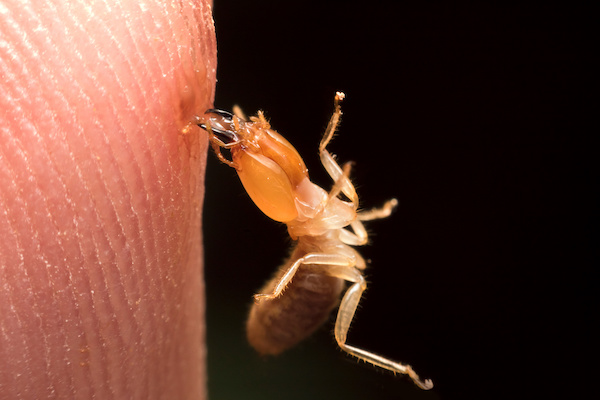
Many homeowners assume termite problems fade once winter arrives. Cold weather often creates a false sense of security, leading people to delay inspections until spring. From an expert perspective, this assumption can be costly. While termite behavior changes during colder months, the threat does not disappear. In fact, winter conditions can allow damage to continue unnoticed.
Understanding how termites adapt to colder temperatures is essential for effective termite control. These pests are resilient and capable of remaining active year-round by shifting where and how they feed. Winter inspections play a key role in identifying hidden risks before structural damage escalates.
How termites adapt to cold weather conditions
Termites are sensitive to temperature, but cold weather alone does not eliminate colonies. Instead of becoming inactive, termites relocate to environments that provide warmth and moisture. In colder climates, they typically move deeper into the soil or remain inside protected structural elements where temperatures are more stable.
During winter, termites often:
- Travel deeper below the frost line
- Stay within heated structural zones
- Continue feeding at a slower pace
- Reduce visible surface activity
These adaptations allow termites to survive winter with minimal exposure. Because activity shifts away from sightlines, infestations can remain undetected for months. That is why termite control strategies must account for seasonal movement rather than relying on obvious warning signs.
Why winter termite damage often goes unnoticed
Winter termite activity is frequently overlooked because visible cues tend to decrease. Swarmers are seasonal, and many homeowners spend less time inspecting exteriors during colder months. Yet termites can continue feeding inside walls, crawl spaces, and framing.
Winter damage is often missed because:
- Seasonal signs like wings and swarms are absent
- Damage occurs inside structural wood, not on surfaces
- Homeowners focus on indoor comfort, not exterior checks
- Activity is masked by slower, deeper movement
By the time warmer weather arrives, colonies may already be well established. This delayed discovery often leads to higher repair costs and more extensive treatment needs.
Where termites remain active during winter
Although surface activity slows, termites remain active in protected environments where temperature and moisture are stable. Understanding where they concentrate helps explain why winter inspections remain valuable.
Professionals often focus on:
- Basements and crawl spaces
- Areas near plumbing and moisture sources
- Wood that contacts soil or concrete edges
- Interior wall voids warmed by heating systems
If homeowners want a structured way to review common risk zones during winter, using a quick home checklist can help identify areas that deserve closer professional attention.
Why winter inspections support long-term termite control
Winter inspections are not about reacting to obvious infestations. They are about prevention and early detection when termite activity is less visible but still present. Because termites are more likely to concentrate in sheltered areas during cold months, inspections can provide clear insight into underlying conditions.
Winter inspections help:
- Identify concealed colonies before spring expansion
- Evaluate moisture conditions that encourage termite activity
- Detect structural vulnerabilities early
- Plan proactive treatment strategies
Termites remain a concern in cold months because they are a year-round threat in many regions, including New York. That reality is exactly why consistent inspections matter even when outdoor temperatures drop.
How termite behavior changes as temperatures drop
Termites do not hibernate, but they adjust their movement patterns. Instead of expanding outward aggressively, colonies focus on conserving energy and relying on stable food sources. Feeding continues, but often at a slower pace, and movement becomes more localized in sheltered zones.
Seasonal behavior changes often include:
- Shorter foraging distances
- Increased reliance on existing food sources
- Reduced surface exposure
- Continued colony maintenance underground or within structures
These patterns make infestations harder to detect without trained evaluation. Winter inspections account for these changes, focusing on moisture pathways, structural contact points, and subtle indicators of continued feeding.
The risks of waiting until spring for inspections
Delaying inspections until spring can allow months of uninterrupted feeding. When temperatures rise, termite activity often expands, which can make infestations more difficult to address.
Risks of postponing inspections include:
- Increased structural damage over time
- Higher treatment and repair costs
- Greater spread into additional areas of the home
- More disruption once visible signs appear
Early intervention is always more efficient than reactive treatment. Winter is often an ideal season to identify risks quietly and plan next steps before activity increases.
Why professional inspections matter more in winter
Winter termite detection requires experience because obvious signs may be limited. Professional inspections evaluate the home as a system, focusing on moisture conditions, structural vulnerabilities, and evidence that may not be noticeable to an untrained eye.
Professional inspections focus on:
- Identifying concealed damage and activity pathways
- Assessing moisture and wood contact conditions
- Using methods suited to low-visibility detection
- Interpreting seasonal behavior accurately
This expertise ensures potential issues are addressed even when termites are out of sight. Effective termite control depends on seeing beyond surface conditions, especially during colder months.
Long-term benefits of winter termite inspections
Winter inspections offer long-term value beyond immediate detection. When inspections are consistent, termite control becomes proactive rather than reactive, reducing the likelihood of major damage.
Long-term benefits include:
- Lower risk of large infestations
- Better planning for preventive treatments
- Improved structural preservation
- Greater peace of mind year-round
Termites do not take a break for winter, and neither should inspections. Understanding seasonal behavior is key to protecting property effectively.For expert inspections and reliable termite control support, contact United States Pest Service to stay protected throughout the year.