
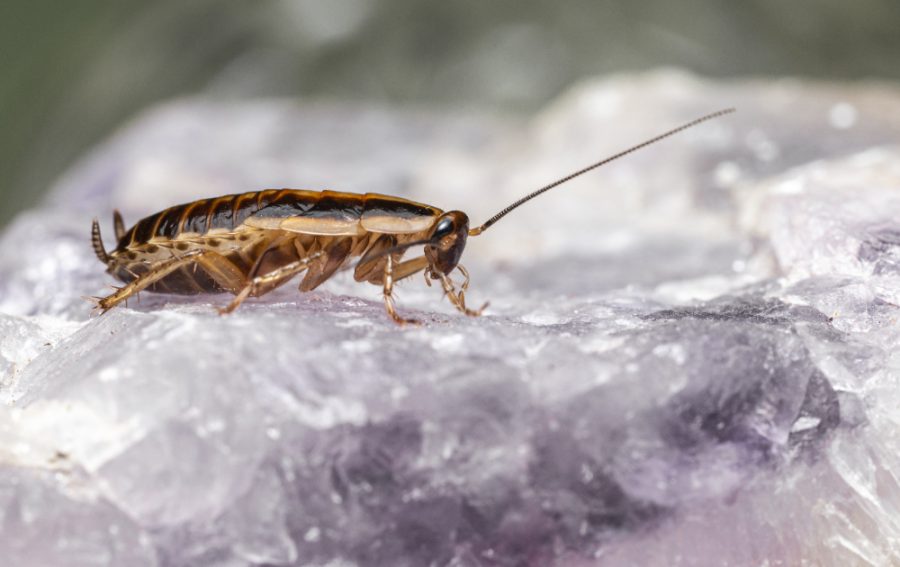
Grocery stores operate under constant demand to maintain hygiene and food safety. With countless aisles, backrooms, and refrigeration areas, these spaces create the ideal environment for pests to thrive, especially cockroaches. Known for their adaptability and resilience, these insects are among the most concerning pests in food-handling facilities.
Identifying and eliminating cockroach harborage sites is one of the most crucial steps in keeping grocery stores safe and compliant with sanitation standards. Because cockroaches multiply quickly and hide in hard-to-reach spaces, early detection and professional cockroach control are essential for long-term prevention.
Common Cockroach Harborage Sites
A cockroach harborage is any location that offers warmth, moisture, and access to food. Grocery stores provide abundant opportunities for these conditions to occur. Even with regular cleaning, hidden areas such as drains, shelving corners, or storage crevices can become ideal shelters.
Once established, these pests are difficult to remove. They can survive on minimal food sources, hide in small spaces, and reproduce rapidly. One female cockroach can produce hundreds of offspring in a single year, allowing populations to spread unnoticed behind walls or under flooring.
Common harborage sites in grocery environments include:
- Cracks and crevices in walls, shelving, or baseboards
- Underneath refrigeration units, sinks, and display coolers
- Storage areas containing cardboard boxes or paper packaging
- Floor drains and waste disposal zones
- Electrical outlets and appliance motors that emit heat
Even a small infestation can quickly escalate, contaminating food products and surfaces with bacteria. Cockroaches are known carriers of pathogens such as Salmonella and E. coli, posing serious health risks to customers and employees.
Sanitation and Environmental Conditions
Sanitation plays a key role in preventing cockroach harborage. Even the cleanest grocery stores can attract pests if certain environmental factors are left unchecked.
Areas that encourage cockroach activity typically share these characteristics:
- Moisture: Leaking pipes, condensation, or standing water provide essential hydration for roaches.
- Food residue: Crumbs, spills, and leftover organic matter near storage areas or trash bins supply nourishment.
- Warmth: Equipment motors, lighting fixtures, and enclosed spaces offer consistent heat.
- Shelter: Cluttered backrooms or unsealed structural gaps give roaches the darkness and cover they need to hide.
Maintaining an environment free of these attractants significantly reduces the likelihood of infestation. However, because grocery stores experience constant traffic and daily deliveries, it is nearly impossible to eliminate all potential sources of attraction without scheduled monitoring and targeted treatments.
Inspection and Monitoring Techniques
Effective cockroach control begins with thorough inspection. Identifying early signs of activity allows for targeted treatment before infestations spread. Professionals typically assess both visible and hidden zones, focusing on areas that combine moisture and food availability.
Key inspection methods include:
- Sticky traps and monitoring stations: Placed along baseboards and near drains to detect early cockroach presence.
- Flashlight and mirror checks: Used to inspect tight spaces behind shelving, machinery, and refrigerators.
- Moisture level monitoring: Identifies leaks or high-humidity areas that promote breeding.
- Dropping and egg case identification: Detects signs of ongoing reproduction and nesting.
Even subtle traces, such as foul odors or shed skins, can indicate active harborages. For further insights into recognizing pest evidence, review this article about what pest droppings can tell you.
Because cockroach activity typically increases at night, inspections often include after-hours monitoring when the pests are most active. This approach ensures a complete understanding of the infestation’s scale and distribution.
The Importance of Structural Maintenance
Physical maintenance plays a vital role in preventing harborage formation. Many infestations stem from small structural vulnerabilities that go unnoticed during routine cleaning. Grocery store layouts with numerous fixtures, pipes, and refrigeration systems require ongoing attention to prevent these access points from becoming permanent shelters.
Preventive maintenance steps include:
- Sealing cracks and gaps: Caulk openings around walls, shelving, and baseboards to block entry routes.
- Repairing plumbing leaks: Fix drips and condensation sources that supply water to hidden areas.
- Maintaining equipment cleanliness: Regularly clean under coolers, freezers, and display cases to remove food residue.
- Replacing worn seals: Ensure refrigerator door gaskets and floor drains are tightly fitted.
- Eliminating clutter: Remove unnecessary packaging or cardboard storage that can serve as nesting material.
By controlling these conditions, facilities can minimize the structural and environmental factors that allow cockroach populations to grow.
Why Professional Cockroach Control Is Necessary
While preventive cleaning and maintenance help, grocery stores benefit most from professional inspection and control services. Trained technicians understand how to locate concealed infestations, apply targeted treatments, and monitor ongoing activity safely around food-handling environments.
Professionals utilize integrated pest management (IPM) techniques that combine physical exclusion, habitat modification, and selective treatments. This approach focuses on long-term results rather than temporary relief. Experts can also assess risk zones unique to each store layout, ensuring that prevention plans are customized and compliant with health regulations.
Attempting to manage infestations without professional tools often results in incomplete treatment. Cockroaches can develop resistance to over-the-counter products, and misapplication can drive them deeper into structures, making future removal more difficult.
Keep Grocery Stores Clean and Pest-Free
A proactive strategy is the key to keeping cockroaches out of food-handling spaces. For expert cockroach control and detailed inspection of potential cockroach harborage sites, contact United States Pest Service.