
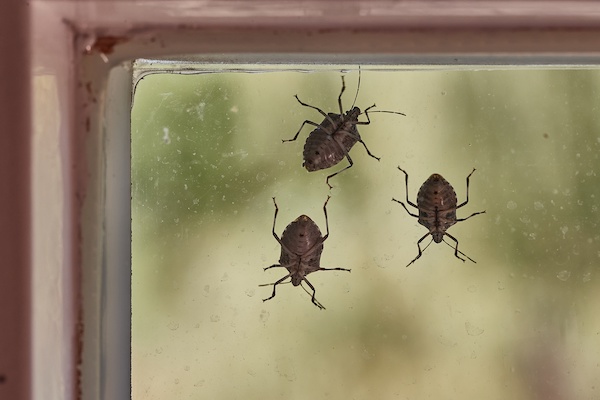
Stink bugs are among the most resilient household pests, known for their unpleasant odor and seasonal invasions. While they are not harmful to humans, their presence can quickly become overwhelming when they begin gathering indoors for warmth. Understanding when these pests are most active and how to prepare for their seasonal behavior is essential for keeping them under control.
As the weather changes, stink bugs respond instinctively to temperature and light shifts. Knowing their habits throughout the year helps homeowners anticipate infestations rather than react to them.
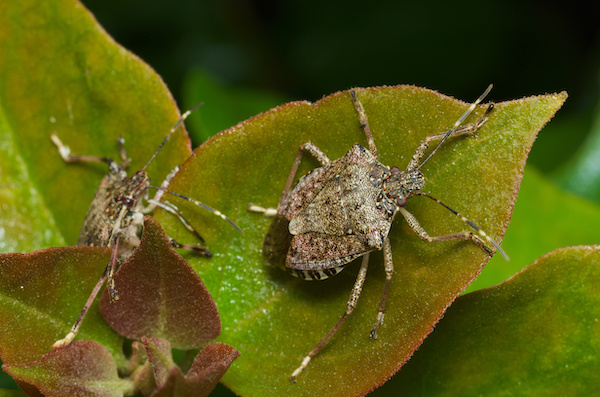
When Stink Bugs Are Most Active
Stink bugs follow a predictable seasonal pattern influenced by climate. Their activity levels rise during specific times of the year as they search for food or shelter.
Here’s a general breakdown of their behavior across the seasons:
- Spring: As temperatures rise, stink bugs emerge from hiding places to feed on plants, fruits, and vegetables. They become especially active in gardens and agricultural areas.
- Summer: During warm months, they reproduce rapidly, laying clusters of eggs on leaves and stems. This is when outdoor populations expand.
- Fall: Cooler temperatures trigger a migration toward homes and buildings. Stink bugs seek warmth and protection from the coming cold, often entering through cracks or gaps.
- Winter: They remain dormant indoors, typically hiding in attics, walls, and window frames until temperatures rise again.
The transition between late summer and early fall is considered the peak season for infestations. Preventive steps taken during this period can significantly reduce indoor invasions later. A useful reference on foundation landscaping techniques offers insight into how outdoor adjustments can limit access points for pests like stink bugs.
Why They Enter Homes During Cooler Months
As fall arrives, stink bugs begin searching for safe overwintering sites. Homes and offices provide the ideal environment: warmth, darkness, and shelter from harsh weather. Unlike many insects, stink bugs do not survive freezing temperatures outdoors, making entry into buildings a necessity for survival.
These pests enter through the smallest openings, including:
- Cracks around window frames, siding, or door trim
- Openings near vents or utility lines
- Gaps beneath exterior doors and attic access points
- Torn screens or unsealed soffits
Once inside, stink bugs release pheromones that attract others, leading to clustering in confined spaces. Because of their odor-producing defense mechanism, crushing or vacuuming them often worsens the problem. Prevention is far more effective than removal after they settle in.
Preparing Your Home Before Peak Season
Preparation is the key to keeping stink bugs out. Simple structural improvements and inspection routines can make a significant difference before temperatures start to drop. Preventive actions should focus on sealing entry points and reducing attraction around the exterior of the home.
Homeowners can take the following proactive measures:
- Seal gaps and cracks: Apply silicone-based caulk around windows, siding, and utility entry points. Check door sweeps and weatherstripping for wear.
- Repair screens: Fix or replace torn screens on windows, vents, and chimneys.
- Inspect attic and basement access points: Ensure openings are properly sealed and vents are screened.
- Reduce outdoor lighting: Bright exterior lights attract insects, which in turn attract stink bugs. Switch to yellow or motion-activated lights.
- Store firewood away from the home: Stink bugs often hide in woodpiles and can enter when logs are brought inside.
Early preparation is most effective when completed before mid-fall. Once temperatures consistently drop below 60°F, stink bugs begin searching for shelter. Addressing potential vulnerabilities in late summer prevents large numbers from finding their way indoors.
Why DIY Removal Often Fails
Attempting to handle stink bug infestations without professional help frequently results in recurring issues. While homeowners can eliminate visible bugs temporarily, these pests often hide within wall voids, attics, and light fixtures where sprays or traps cannot reach.
DIY methods often fail because:
- Hidden populations persist: Stink bugs congregate in unseen areas and reappear when disturbed.
- Improper handling increases odor: Crushing or vacuuming live bugs releases pheromones that attract others.
- Store-bought repellents offer limited coverage: Many consumer products are ineffective against overwintering pests.
- Structural entry points remain untreated: Without sealing and inspection, infestations quickly return the following season.
Professional pest specialists use targeted approaches that address both prevention and elimination. These include exterior treatments, barrier applications, and strategic sealing designed to disrupt the pest’s life cycle. Working with trained experts ensures that infestations are resolved safely and thoroughly.
For long-term prevention, property owners can benefit from a more structured pest management approach. Our resource on using smart portfolios provides insight into modern, data-driven prevention plans that help manage recurring seasonal pests efficiently.
Maintaining a Pest-Free Property Year-Round
While stink bugs are most active during the fall, maintaining a pest-free environment requires year-round awareness. Regular inspections, sanitation, and outdoor management ensure that infestations do not resurface when the seasons change.
To keep properties protected throughout the year:
- Monitor indoor temperature and humidity: Keeping areas dry reduces the appeal of indoor hiding spots.
- Maintain exterior cleanliness: Trim vegetation and reduce clutter near walls to eliminate resting areas.
- Inspect seasonally: Perform thorough checks of windows, attics, and basements during spring and fall transitions.
- Schedule professional inspections: Experts can identify vulnerabilities that might not be visible to homeowners.
By combining structural care with professional maintenance, homeowners can prevent future infestations and maintain a comfortable indoor environment.
Keep Stink Bugs Out Before They Move In
Stink bug invasions are seasonal but predictable, allowing homeowners to prepare before infestations occur. With proactive sealing, inspection, and expert support, it’s possible to keep these pests from taking over indoor spaces. For reliable year-round prevention and targeted treatment, contact United States Pest Service. Our professional solutions safeguard your property from seasonal pest activity.