
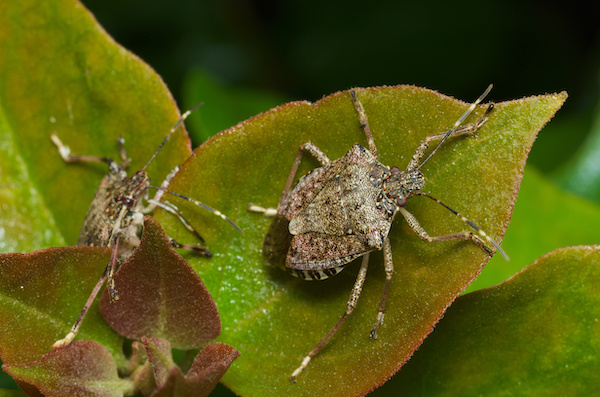
As temperatures begin to fall, many homeowners notice stink bugs appearing indoors seemingly without warning. These insects are not entering homes to feed or reproduce during winter. Instead, they are seeking protected spaces where they can survive colder conditions. Once inside, stink bugs often remain hidden for months, emerging sporadically and creating ongoing frustration.
From an expert perspective, overwintering behavior follows a predictable pattern. Homes provide stable temperatures, shelter from wind and moisture, and access to hidden voids where stink bugs can remain inactive. Understanding how and why this happens is the first step toward stopping stink bugs from settling indoors each winter.
Why Stink Bugs Move Indoors During Cold Weather
Stink bugs are strongly influenced by seasonal temperature changes. As outdoor conditions cool, their activity shifts from feeding to survival. Rather than dying off, they search for sheltered environments that allow them to conserve energy until warmer weather returns.
Several factors trigger this indoor movement:
- Dropping outdoor temperatures disrupts survival
- Shorter daylight hours signal seasonal change.
- Loss of plant-based food sources
- Structural warmth radiating from buildings
Once stink bugs locate a suitable entry point, they often congregate in wall voids, attics, and upper floors where heat accumulates. This behavior explains why activity is commonly noticed near windows, light fixtures, and ceilings. Overwintering does not happen overnight, but once established, it can persist throughout the season.
Common Entry Points Stink Bugs Use
Stink bugs do not require large openings to enter a home. Small gaps and structural imperfections are often enough. As homes shift with temperature changes, tiny openings can widen just enough to allow access.
Common entry points include:
- Gaps around the window and door frames
- Cracks in siding or exterior walls
- Openings around utility lines and vents
- Attic vents and roofline transitions
These access points often go unnoticed during warmer months. By the time stink bugs appear indoors, many have already settled into hidden spaces. Preventing overwintering depends on identifying and addressing these vulnerabilities before large numbers gain entry.
Why Indoor Removal Alone Does Not Work
Seeing stink bugs indoors often leads homeowners to focus on immediate removal. While removing visible insects reduces annoyance, it does not address the source of the problem. Stink bugs that have already entered hidden areas will continue to emerge intermittently.
Limitations of surface-level removal include:
- Failure to reach insects hiding in walls and attics
- Continued emergence throughout winter
- Increased odor release when stink bugs are crushed
- No impact on future entry behavior
Because stink bugs are not actively feeding indoors, traditional baiting or spot treatments provide limited results. The goal is not elimination inside living spaces, but preventing access in the first place. This is why timing and inspection are critical in managing overwintering activity.
Preventive Steps That Reduce Overwintering Risk
Preventing stink bugs from overwintering requires a structured approach that focuses on exclusion and monitoring rather than reaction. Addressing vulnerabilities early significantly reduces indoor activity during colder months.
Effective preventive measures include:
- Inspecting exterior walls and rooflines before temperatures drop
- Sealing cracks and gaps around entry points
- Addressing attic and vent vulnerabilities
- Monitoring upper floors where warmth attracts insects
Pre-winter evaluation plays a key role in success. Identifying entry points before stink bugs begin seeking shelter allows preventive action to take effect. The importance of early timing is outlined in this resource on pre-winter inspections, which explains why waiting until winter often limits options.
Why Professional Inspection Makes a Difference
Stink bug overwintering is closely tied to building structure and seasonal timing. Professional inspection focuses on areas most homeowners overlook, especially elevated exterior surfaces and hidden voids. This approach helps identify patterns that lead to repeated winter infestations.
Professional evaluation typically includes:
- Exterior assessment of siding, windows, and rooflines
- Identification of seasonal access points
- Review of attic and upper-level conditions
- Strategic planning aligned with seasonal behavior
This type of evaluation is especially important in regions where winter conditions drive consistent pest movement indoors. Having a structured checklist helps ensure nothing is missed. Guidance on preparation is available in this article on the homeowner pest checklist, which highlights areas commonly overlooked during seasonal transitions.
Stopping stink bugs from overwintering is far more effective than trying to manage them once they are inside. By focusing on prevention, homeowners reduce indoor sightings, limit odor issues, and avoid recurring frustration each winter.
Stay Ahead of Winter Stink Bug Activity
Stink bugs follow predictable patterns when temperatures drop. Addressing vulnerabilities early helps prevent them from settling indoors for the season. For expert guidance on seasonal prevention and effective stink bug management, contact United States Pest Service to protect your home before overwintering begins.