
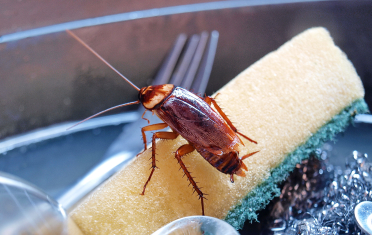
Cockroaches can stay hidden in a kitchen long before an infestation becomes obvious. They prefer dark, tight, moisture-rich spaces close to food, which means they may settle behind appliances, beneath sinks, inside cabinet gaps, or around plumbing before homeowners notice repeated activity. A single nighttime sighting can therefore represent a larger concealed population.
A cockroach problem becomes harder to control when hidden adults, nymphs, and egg cases remain undisturbed. Careful professional inspection helps determine where roaches are harboring, how they are moving between kitchen areas, and which food or moisture conditions are supporting them. That information allows treatment to focus on the source rather than only the insects that appear in open spaces.
Kitchens Give Cockroaches Several Protected Hiding Places
Cockroaches are built for concealment. Their flattened bodies let them squeeze into narrow cracks, while their nocturnal behavior keeps much of their activity out of sight during the day. Kitchens offer warmth, water, food residue, and many structural gaps, making them especially favorable.
Common hiding areas include:
- Gaps behind refrigerators, ovens, dishwashers, and other appliances
- Spaces beneath sinks where plumbing creates warmth and moisture
- Cabinet joints, drawer tracks, hinges, and wall-to-cabinet gaps
- Cracks around baseboards, flooring edges, and utility penetrations
- Cardboard boxes, paper bags, and crowded pantry shelves
- Drains and nearby voids where moisture remains available
Warm-weather conditions can make indoor roach pressure more noticeable. A broader look at summer pest activity shows how heat and humidity can push cockroaches toward cooler, darker areas inside kitchens and bathrooms.
The location of sightings matters. Roaches seen repeatedly near one appliance or plumbing fixture may be emerging from a nearby harborage rather than wandering randomly through the room.
Food, Moisture, And Clutter Let Hidden Activity Build
Cockroaches can survive on surprisingly small amounts of food and water. Grease beneath a stove, crumbs under cabinets, condensation, leaking pipes, pet food, and pantry spills may be enough to support activity. Clutter then gives roaches protected spaces where they can remain hidden while the population grows.
Conditions that can worsen a cockroach problem include:
- Food debris collecting beneath appliances or along cabinet edges
- Leaks or condensation under sinks and near plumbing connections
- Open food packages or poorly sealed pantry containers
- Cardboard, paper bags, and stored items creating sheltered spaces
- Trash or recycling kept close to food-preparation areas
- Crowded shelves that make inspection and cleaning more difficult
The connection between clutter and pests helps explain why infestations may develop without obvious warning. Boxes, bags, and stacked materials can block inspection areas and conceal droppings, shed skins, and egg cases.
Cleaning supports control, but sanitation alone may not remove roaches already living inside cracks, wall voids, or appliance spaces. Once harborages are established, professional treatment is often needed to reach the areas where the insects are actually breeding.
Targeted Treatment Helps Stop Spread Beyond The Kitchen
Cockroaches can move through plumbing routes, wall voids, utility gaps, and connected cabinet systems. If activity is ignored, the infestation may expand from the kitchen into bathrooms, laundry areas, basements, or neighboring rooms where similar food and moisture conditions exist.
Professional treatment may involve:
- Inspecting dark, damp areas for droppings, shed skins, egg cases, and live insects
- Using gels, baits, or growth regulators in confirmed harborages
- Treating cracks and crevices instead of relying on broad surface spraying
- Monitoring activity around appliances, plumbing, drains, and wall gaps
- Reducing moisture and food sources that allow hidden populations to persist
- Scheduling follow-up to check for newly hatched or surviving roaches
Follow-up is important because a kitchen can appear quiet even when egg cases or concealed nymphs remain. Monitoring helps determine whether activity is truly declining or simply shifting to another hidden location.
Professional cockroach control also helps distinguish between isolated sightings and a more established infestation. Technicians can evaluate where evidence is concentrated, which routes connect affected areas, and whether entry points from outside or adjoining spaces are contributing to the problem.
The earlier the source is identified, the easier it is to limit spread. Waiting until roaches are visible during the day or appearing in several rooms often means the infestation has become more established. Early inspection provides clearer evidence and allows treatment to stay focused.
Long-term prevention depends on keeping the kitchen less supportive of roaches after treatment. Moisture problems should be corrected, pantry goods should remain sealed, food residue should be removed from hard-to-reach areas, and clutter should be reduced so future signs are easier to detect.
The goal is not simply to eliminate the cockroach that was seen. It is to identify the hidden spaces supporting the population, interrupt breeding, and reduce the conditions that make the kitchen attractive. That approach provides a much stronger path to lasting control than reacting to individual sightings.
Stop Hidden Kitchen Activity Before It Spreads
If cockroaches are appearing around appliances, cabinets, sinks, or other kitchen areas, contact United States Pest Service for professional inspection, targeted treatment, monitoring, and long-term cockroach control.