
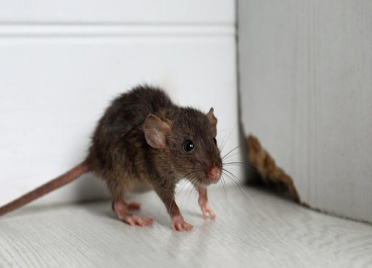
Mice and rats do not need a wide-open door to get inside a house. Small openings around foundations, utility lines, garages, vents, roof edges, and siding can be enough to create a route indoors. Once rodents find dependable food, water, warmth, and shelter, they may continue using the same access point while nesting in hidden areas.
Effective rodent control starts with more than removing the animals that are already inside. Professionals look for the path rodents used, the conditions attracting them, and the structural gaps that allow repeat entry. In New York homes, seasonal temperature changes, wooded surroundings, clutter, and moisture can all influence where rodents travel and settle.

Small Exterior Gaps Can Become Regular Rodent Routes
Rodents are persistent explorers. Mice can squeeze through very small openings, while rats can take advantage of larger gaps around building materials, utility penetrations, and doors. Openings that appear insignificant from a standing position may connect directly to wall voids, basements, garages, or attics.
Professionals often inspect:
- Gaps where pipes, cables, or utility lines enter exterior walls
- Worn garage-door seals and uneven thresholds
- Cracks along foundations, siding, and masonry joints
- Openings around vents, soffits, rooflines, and fascia
- Spaces beneath doors or around poorly fitted frames
- Areas where exterior materials have shifted or deteriorated
Seasonal pressure can make these vulnerabilities more important. The discussion of summer pest pressure shows how heat, moisture, food, clutter, and open entry points can work together around Middletown properties.
A single gap may become a repeated route when rodents learn that it leads to shelter or food. Identifying that route is a key part of stopping the cycle.
Food, Shelter, And Clutter Make Indoor Spaces Worth Entering
Rodents rarely enter a home without a reason. Once they reach the structure, they look for places where they can stay concealed and access resources with limited disturbance. Basements, attics, garages, storage rooms, wall voids, and areas behind appliances can provide those conditions.
Common attractants include:
- Stored food that is not kept in sealed containers
- Pet food or bird seed left accessible for long periods
- Trash, recycling, or food residue near entry areas
- Cardboard, paper, fabric, and other possible nesting material
- Cluttered storage zones that provide protected hiding spaces
- Water from leaks, condensation, or damp utility areas
Rodents may also travel along exterior edges before finding a way inside. Shrubs, stacked materials, firewood, and dense vegetation can provide cover near foundations and lower walls.
Professional inspection focuses on droppings, gnaw marks, nesting material, tracks, and travel patterns to determine whether activity is isolated or connected to an established nesting area.
Rodent Control Works Best When Entry And Activity Are Addressed Together
Removing rodents without correcting access points can leave the home vulnerable to another intrusion. Likewise, sealing a gap without understanding whether animals are already inside can complicate the problem. The order of work should reflect what the inspection finds.
A professional rodent-control plan may include:
- Inspecting interior and exterior areas for active travel routes
- Identifying nesting zones, food sources, and shelter conditions
- Using trapping or targeted control based on the level of activity
- Closing confirmed access points once the situation is understood
- Recommending sanitation or storage changes that reduce attractants
- Returning for follow-up inspection to check for fresh evidence
The principles behind eco-conscious rodent control emphasize this broader strategy. Reducing attractants, sealing access, using targeted methods, and monitoring results can be more effective than relying on a single measure.
Follow-up matters because rodents may test different parts of the structure after one route is blocked. Comparing new evidence with earlier findings helps determine whether activity is declining or shifting.
New York homes may experience changing rodent pressure throughout the year. Hot weather can influence outdoor food and shelter patterns, while cooler conditions may make indoor warmth more appealing. Construction, landscaping, storm damage, and normal building wear can also create new gaps over time.
Exclusion is not a one-time concept. Door seals wear down, vents become damaged, siding shifts, and utility work can create new openings. Periodic evaluation helps catch those changes before rodents use them.
Rodent activity should also be taken seriously because mice and rats can damage stored materials, insulation, and wiring while contaminating areas with droppings or urine. The longer they remain hidden, the more difficult it becomes to determine how far they have traveled through the structure.
The strongest long-term approach combines removal, exclusion, sanitation, and monitoring. Each part supports the others. Trapping addresses current animals, exclusion reduces future entry, sanitation limits resources, and follow-up confirms whether the plan is working.
Small gaps may be easy to overlook, but rodents do not need much space when a warm, protected home is on the other side. Finding and managing those openings professionally helps turn a recurring rodent problem into a more controlled, preventable one.
Close The Route Before Rodents Settle In
If you are seeing droppings, gnaw marks, scratching sounds, or repeated rodent activity, contact United States Pest Service for professional inspection, rodent control, exclusion, and long-term prevention.