
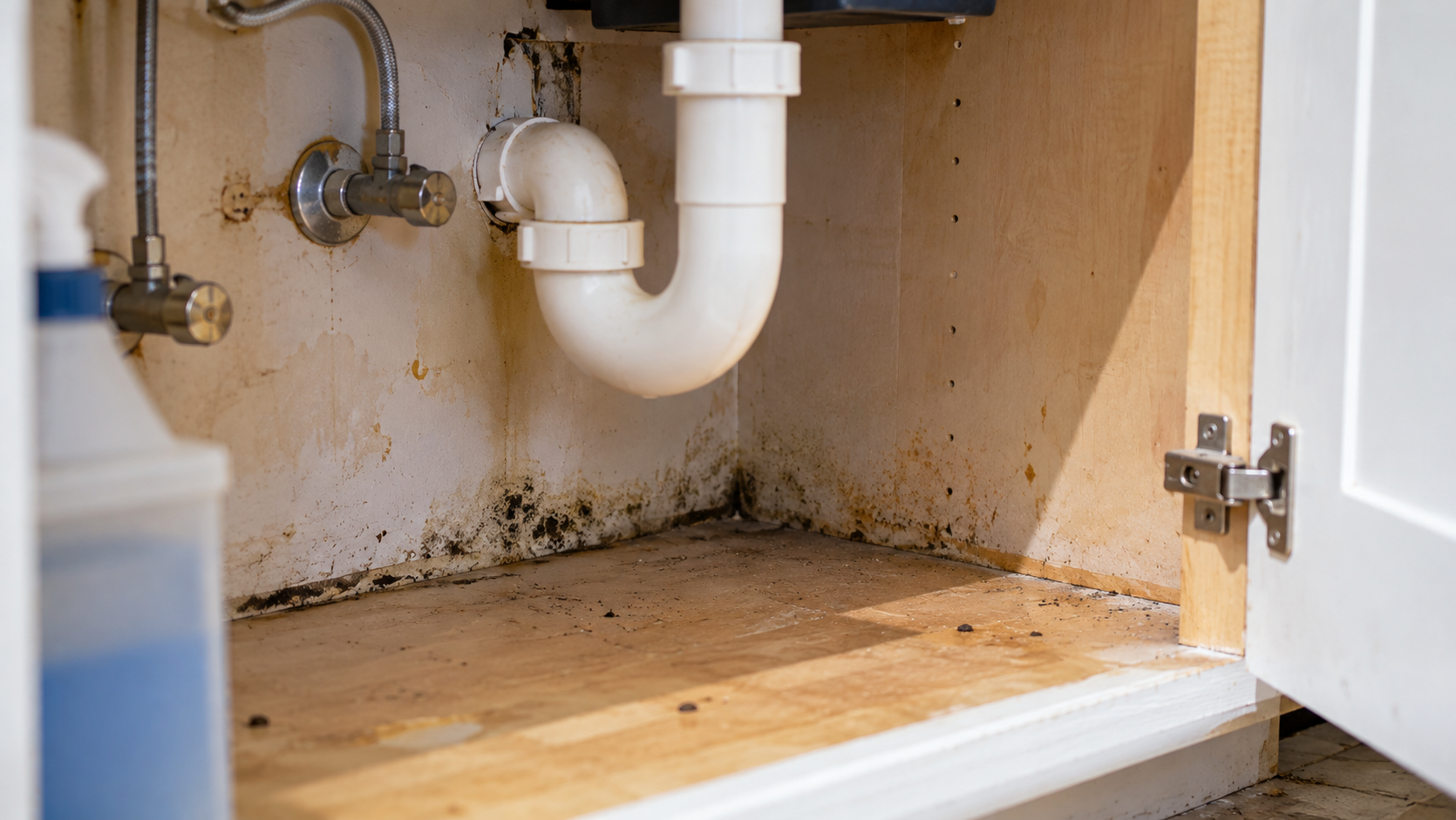
A few cockroaches beside the dishwasher may look like a kitchen-only problem. Yet insects can shelter behind cabinets, move along plumbing gaps, and return after visible adults have been removed. The same pattern happens with ants, rodents, and other pests: the location of a sighting is not necessarily the location of its source.
Our technicians investigate the evidence behind complaints before recommending a treatment. For homeowners in Middletown and surrounding New York communities, a professional pest inspection can reveal concealed activity, contributing conditions, and vulnerable entry routes. It also helps us distinguish a genuine infestation from an isolated insect that may not need an extensive response.
Identification Shows Where the Search Should Begin
Different pests use buildings differently. Cockroaches often favor protected areas near food and moisture, while rodents travel along edges and may nest inside ceilings or storage spaces. Ants can forage far from a colony. Before determining what is hidden, we need to establish which pest is present and what current evidence suggests.
Inspection clues can include:
- Insect characteristics: Body shape, wings, and other features help separate pests with similar appearances.
- Droppings and tracks: The size, freshness, and location of traces can indicate active movement.
- Shed skins or egg cases: Certain insects leave developmental evidence in sheltered cracks.
- Damage patterns: Gnaw marks, damaged food packages, or affected wood guide further investigation.
- Occupant observations: Times, rooms, photographs, and repeated sightings help narrow the search.
No single clue proves every detail. Old droppings may remain after activity ends, and moisture damage can resemble insect damage. A technician should compare findings rather than diagnose the entire property from one stain or a blurry photograph.
Our article on repeat pest infestations explains why identification and examination of contributing conditions belong together. When we understand the species, we can look in the areas most likely to contain its nesting or breeding site.
Hidden Sources Often Sit Beyond the Room With Sightings
A clean countertop does not rule out residue under appliances. An attic that nobody enters can contain rodent evidence near a roof opening. A bathroom may have damp cavities connected to plumbing, while an outdoor trash station can support insects that later move inside. These patterns explain why inspections extend beyond the most obvious complaint.
We may examine several locations:
- Kitchens and pantries: Check accessible appliance edges, stored foods, cabinet seams, and plumbing connections.
- Basements and utility areas: Review moisture, foundation gaps, and protected spaces around equipment.
- Garages and attics: Look for droppings, gnawing, nesting material, or roofline entry possibilities.
- Exterior perimeters: Assess door sweeps, damaged screens, vegetation, and service-line penetrations.
- Bedrooms and furniture: Where relevant, inspect bed frames and upholstery for bed bug evidence.
The inspection is not an excuse to treat every room. We document where credible signs appear and where evidence is absent. Some inaccessible cavities may require another trade or further access, and we explain those limits before concluding.
Our guide to treating pest sources outlines how moisture, food availability, clutter, and building gaps can keep supporting activity even after a one-time application. The source is sometimes a nesting site; in other cases, it is a set of conditions that repeatedly draws new pests indoors.
Findings Shape Treatment, Repairs, and Follow-Up
Once we identify the pest and likely source, we can build a more selective plan. That might include a targeted application, monitoring, rodent trapping, or a recommendation to repair an opening. When moisture or damaged materials are involved, pest management may need to be coordinated with plumbing or building maintenance.
An inspection-led plan commonly addresses:
- Confirmed activity: Focus methods on verified pests, harborages, and likely movement routes.
- Entry corrections: Recommend appropriate sealing or exclusion without blocking required vents.
- Sanitation factors: Identify food residue, storage practices, or water sources worth correcting.
- Occupant precautions: Explain preparation, treatment access, and product-label safety requirements.
- Reassessment: Compare fresh signs with earlier records to see whether the source remains active.
Our residential and commercial services cover a wide range of pests, including rodents, cockroaches, ants, bed bugs, and termites. But the same method is not appropriate for every species, even when several pests appear in the same room. A termite concern warrants specialized investigation; rodent evidence may point toward exclusion and monitoring; insect sightings may call for closer examination of moisture or feeding conditions.
No inspection can guarantee that every inaccessible space has been examined, and no treatment prevents every future pest from reaching a property. What a careful assessment offers is a clear starting point: confirmed findings, reasonable explanations, and work tailored to the evidence. Homeowners also gain a useful written record of what to watch for after service rather than guessing whether an old stain means the problem returned.
Find the Cause Before Choosing the Treatment
If pests keep reappearing or you suspect activity inside walls, attics, or cabinets, contact United States Pest Service for a professional inspection. We can review the signs, identify likely sources, and explain appropriate treatment and follow-up for your property.