
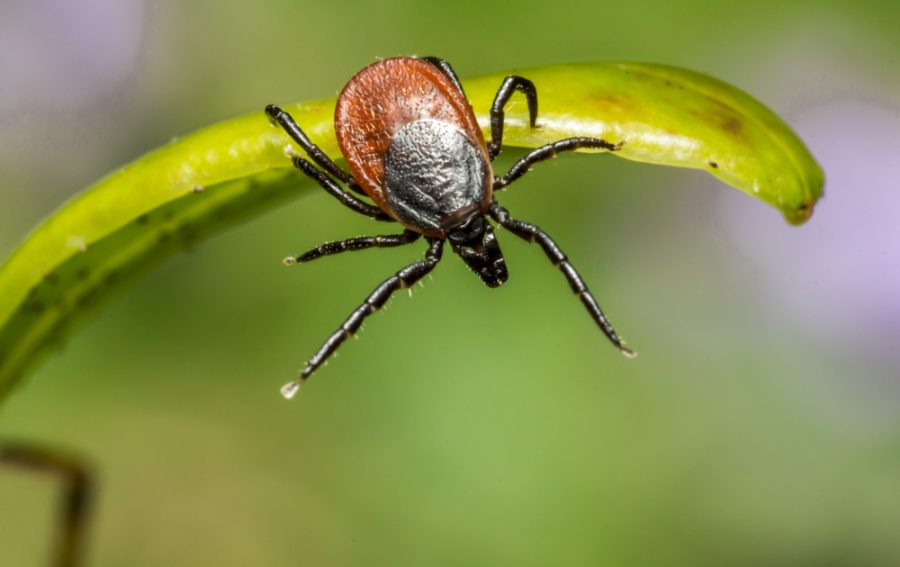
Summer may be ending, but tick activity does not automatically stop when temperatures begin to cool. In and around Middletown, grassy yards, wooded edges, shaded vegetation, and areas used by pets can continue providing suitable conditions for ticks well into the seasonal transition.
Effective tick control starts with understanding where ticks wait for hosts and why certain parts of a property remain favorable. Professional inspection is especially useful because ticks can be difficult to spot in tall grass, leaf litter, brush, and other low-visibility areas.
Grassy And Shaded Areas Can Stay Favorable After Summer
Ticks generally prefer protected outdoor environments where they can avoid excessive heat and drying. Even after summer, grass near fences, wooded borders, shrubs, and shaded yard edges may retain enough moisture to support activity.
Areas that deserve closer attention include:
- Tall grass along property lines and fences
- Shaded sections beneath shrubs and low branches
- Leaf litter near wooded or landscaped edges
- Pet-use areas beside dense vegetation
- Transitional zones between lawns and open land
- Damp spots that dry more slowly after rainfall
The guidance on pet tick exposure explains why pets can encounter ticks around grass, brush, and outdoor resting areas. Those same environments can remain relevant after the hottest months have passed, particularly when temperatures stay moderate.
Cooler Conditions Do Not Mean Tick Pressure Is Gone
Homeowners sometimes associate ticks only with peak summer heat, but tick activity depends more on suitable habitat and host availability than on the calendar alone. Moderate temperatures can still allow some ticks to remain active, especially in sheltered areas that protect them from rapid drying.
Open, sun-exposed turf may be less favorable than grass beside shrubs, wooded edges, stone walls, or shaded landscaping.
Professional tick control focuses on those high-risk zones rather than treating every square foot equally. Technicians can evaluate vegetation, shade, moisture, pet traffic, and nearby wildlife movement to determine where treatment is most likely to be useful. This is especially important around frequently used outdoor spaces, where repeated exposure can occur without homeowners realizing that ticks are concentrated only a short distance away in protected vegetation.
Pets And Wildlife Can Keep Reintroducing Ticks
Ticks depend on animal hosts to feed and move between locations. Even when a yard has already been treated, pets and wildlife can reintroduce ticks from surrounding areas.
Recurring pressure may be influenced by:
- Deer or other wildlife crossing property edges
- Rodents moving through grass and landscaping
- Pets spending time near brush or wooded trails
- Birds or small mammals using sheltered yard areas
- Fences and vegetation that create animal travel routes
- Nearby untreated land with suitable tick habitat
Follow-up helps technicians compare where ticks are found over time and determine whether activity is returning to the same sections or appearing somewhere new.
Seasonal Pest Patterns Can Shift Across The Property
Late summer and early fall can change how many pests use a property. Heat, rainfall, vegetation growth, and changing moisture levels all affect where insects and other pests concentrate. Ticks are part of that broader seasonal picture.
A closer look at summer pest patterns shows how warmer conditions can increase activity among mosquitoes, fleas, ticks, ants, cockroaches, spiders, rodents, and other handled pests. As summer fades, some of that pressure may decline while other activity simply shifts into more sheltered areas.
Professional monitoring helps distinguish those changes so treatment can stay focused on areas where ticks remain concentrated.
Long-Term Tick Control Depends On Targeted Follow-Up
Reducing tick pressure around grassy yards works best when inspection, treatment, habitat awareness, and seasonal follow-up are combined.
A professional plan may include:
- Inspecting grassy and wooded transition zones
- Identifying likely tick habitat around the property
- Treating areas where activity is most concentrated
- Monitoring pet-use zones and shaded yard edges
- Rechecking conditions after weather or landscaping changes
- Adjusting treatment when tick pressure returns
This approach is more efficient than reacting only after a tick is found. A single tick may have come from another location, while repeated findings around the same part of the yard can indicate ongoing local pressure. Professional evaluation helps separate those possibilities.
Ticks can remain a concern after summer because grassy yards do not suddenly lose the shade, moisture, vegetation, and animal traffic that support them. Property conditions often change gradually, and some sections can stay favorable even as temperatures begin to fall.
For homeowners, the most practical strategy is to treat tick activity as a seasonal pattern rather than a problem with a fixed end date. Consistent inspection and targeted treatment make it easier to identify where exposure is most likely and reduce recurring pressure around the outdoor areas people and pets use most.
Keep Tick Pressure From Lingering Into Fall
If ticks are still appearing around your grassy yard after summer, contact United States Pest Service for professional inspection, targeted tick control, and seasonal follow-up based on your property’s conditions.